

Why choose green energy for your home?
Homeowners are increasingly choosing green energy technologies to manage electricity costs, reduce energy waste and improve everyday comfort. Solar PV generates renewable electricity, battery storage makes it available for later use, and home EV chargers provide convenient vehicle charging. MVHR systems improve ventilation while recovering heat that would otherwise be lost, helping create a more energy-efficient home.
Home EV chargers
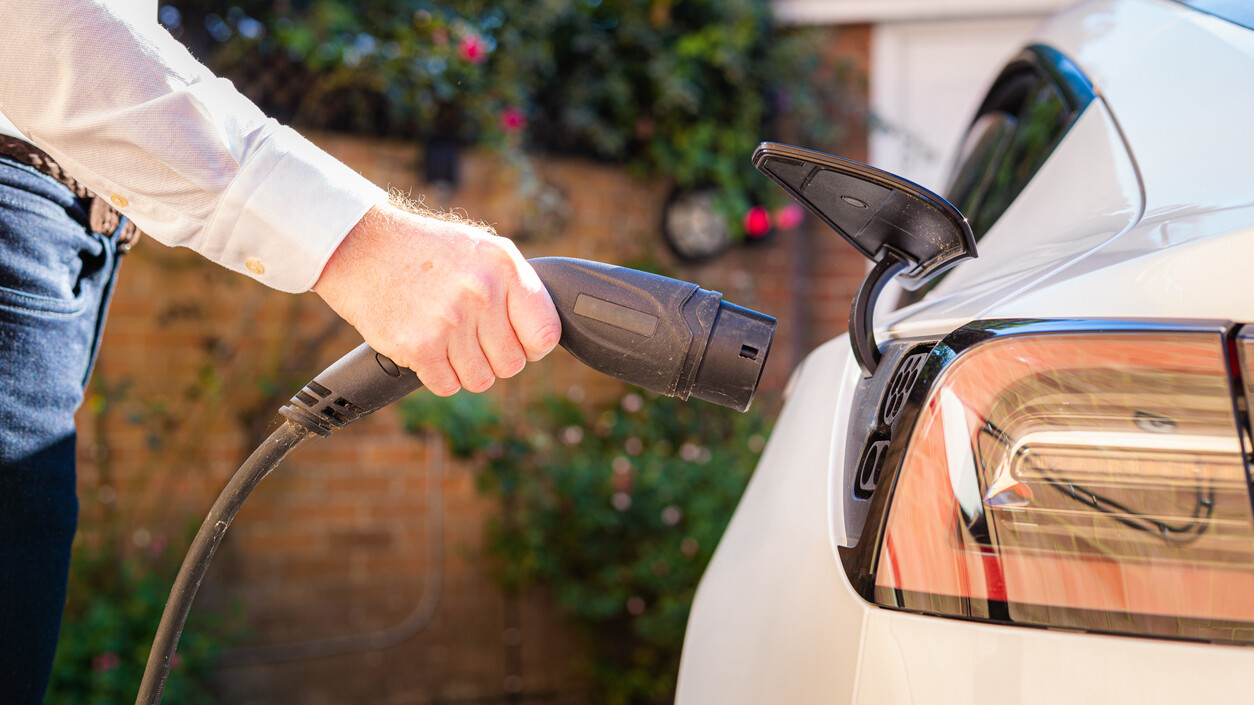
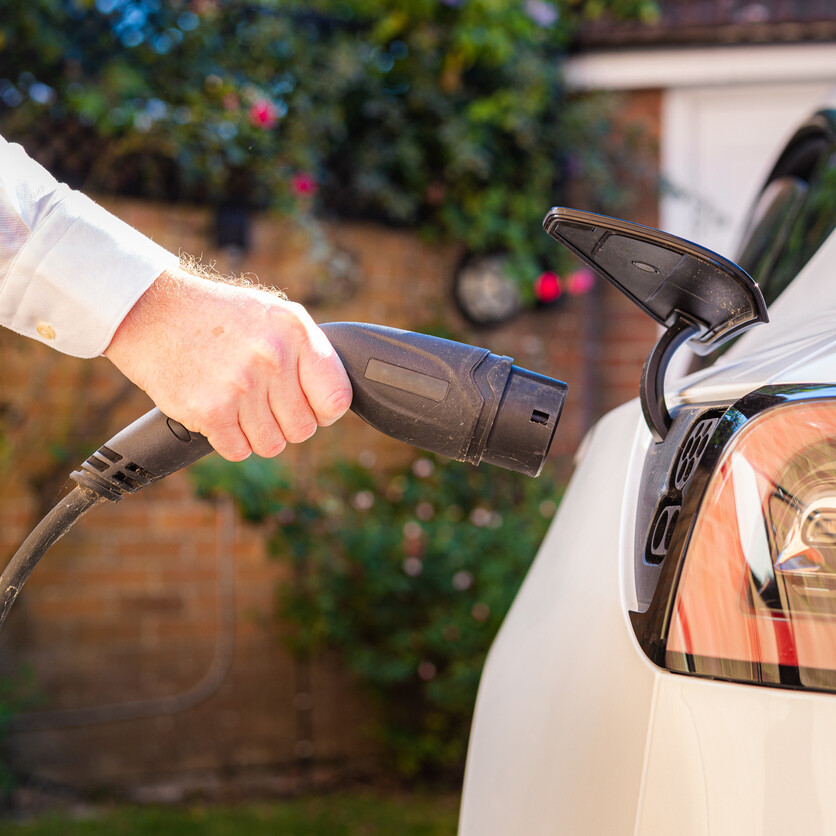
A dedicated home EV charger provides a convenient and reliable way to charge your electric vehicle at your own property, reducing your dependence on public charging facilities. Modern home charging solutions offer features such as scheduled charging, energy monitoring and compatibility with selected off-peak electricity tariffs, helping you manage when and how your vehicle charges.
Choosing the right charger depends on your vehicle, electrical supply, parking arrangements and everyday charging needs. A properly specified installation provides a practical solution for both current and future requirements.
Read more about our domestic EV charging services
⚡ Benefits of home EV charging
🏠 Convenient charging at your own property
🔌 Dedicated charging point for your vehicle
⏰ Scheduled charging to suit your routine
💷 Save with off-peak electricity tariffs
📱 Smart charging and energy monitoring
⚡ Charging speeds suited to your supply
🏠 Installation tailored to your property
☀️ Integration with compatible solar PV systems
🛡️ Appropriate electrical protection and testing
🌙 Convenient overnight charging
🔧 Professional installation and commissioning
📈 Planning for future vehicle requirements
Mechanical ventilation with heat recovery (MVHR) systems
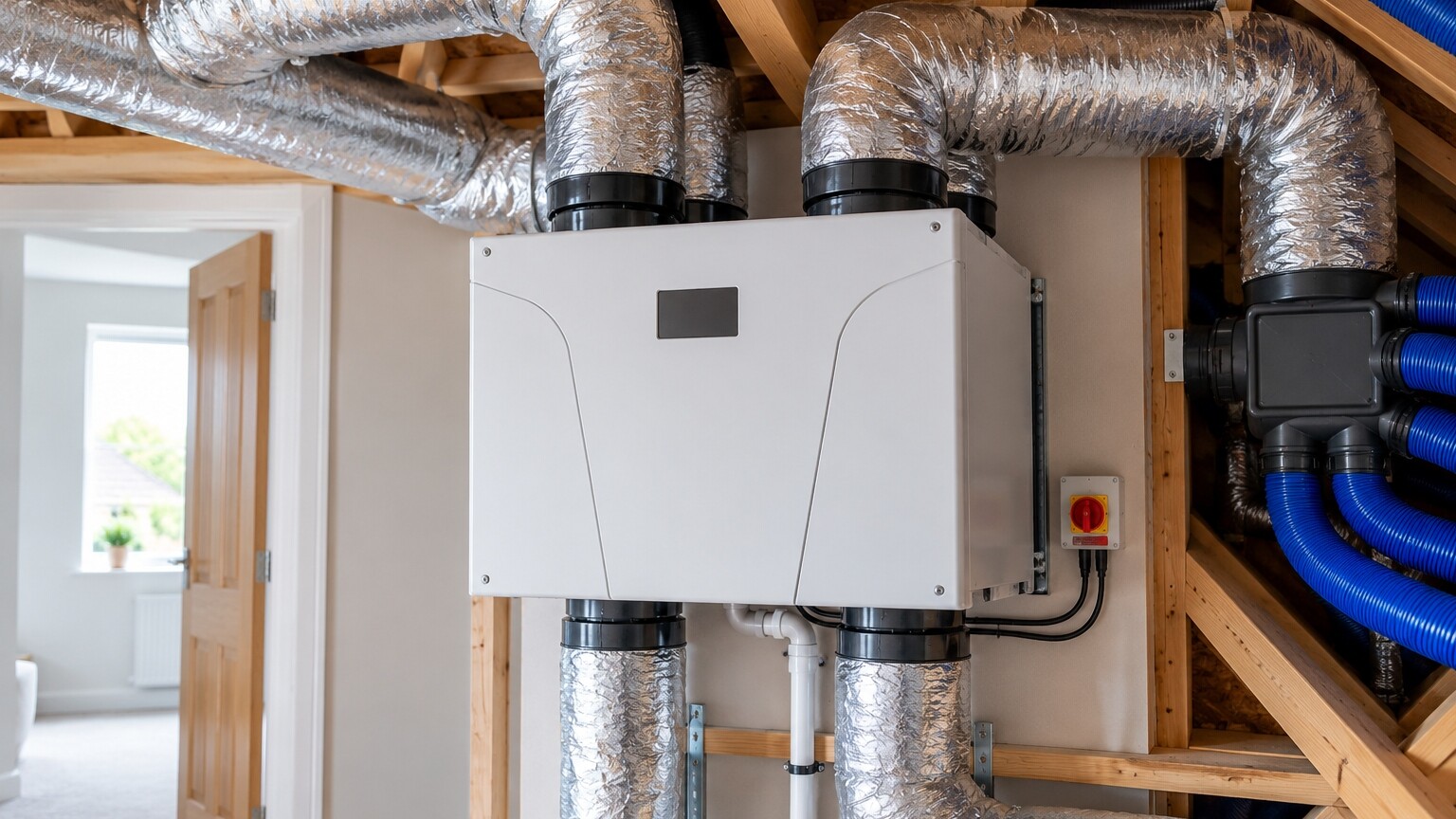
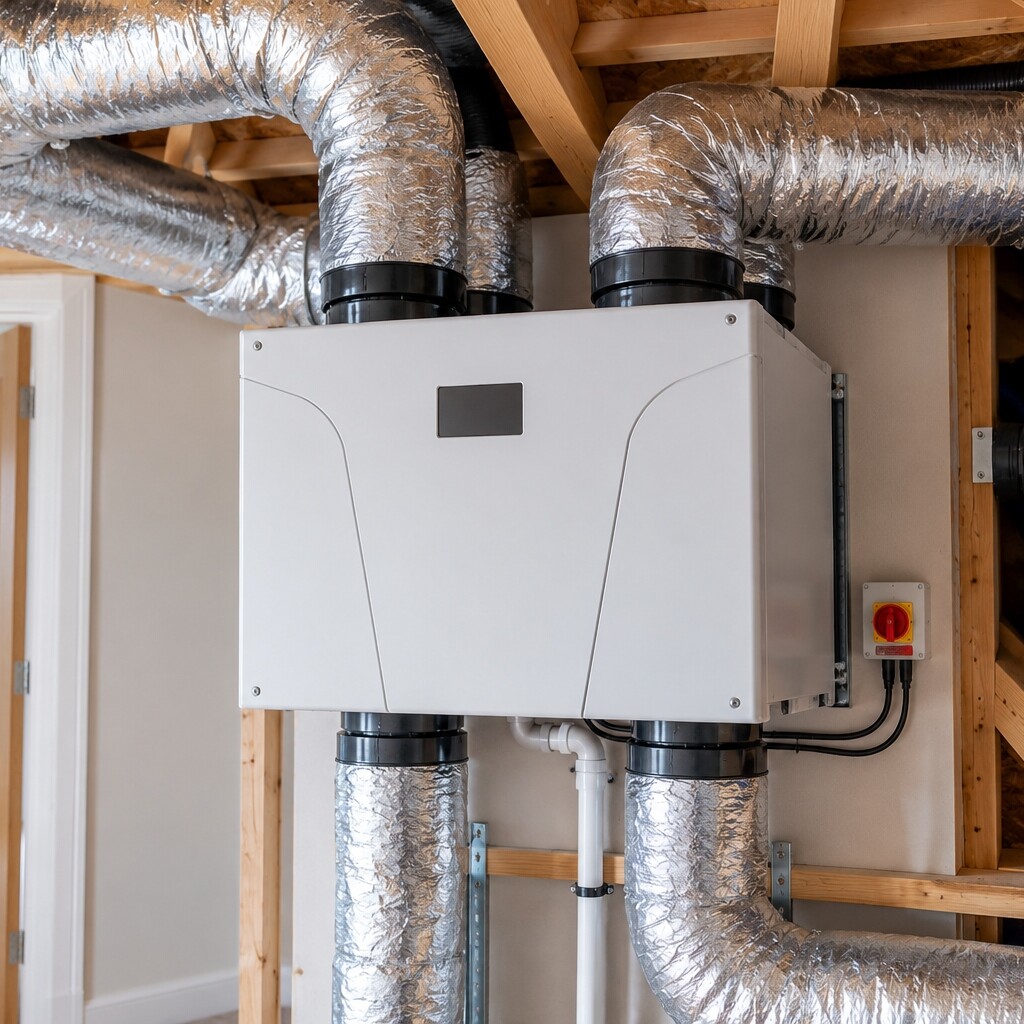
Mechanical Ventilation with Heat Recovery (MVHR) provides continuous, controlled ventilation throughout your home, helping maintain fresh indoor air while recovering heat from the air being extracted. Unlike traditional ventilation methods that can allow significant heat to escape, an MVHR system transfers heat from outgoing stale air to incoming fresh air. This helps reduce ventilation-related heat loss while managing moisture, condensation and indoor air quality.
MVHR systems are particularly suited to well-insulated, airtight homes, including new builds and energy-efficient renovations. Correct system design, ductwork layout and commissioning are essential to achieving effective ventilation and heat recovery.
🌿 Benefits of MVHR systems
🌬️ Continuous supply of filtered fresh air
♻️ Heat recovery from extracted indoor air
🏠 Suitable for airtight, energy-efficient homes
💧 Helps manage moisture and condensation
🌡️ Reduces heat loss associated with ventilation
🍃 Helps remove stale air and indoor pollutants
🔇 Controlled ventilation
⚡ Can support improved overall energy efficiency
🛏️ Fresh air supplied to bedrooms and living areas
🚿 Moisture extraction
🧰 Designed around your property’s layout
🔧 Professional installation and commissioning
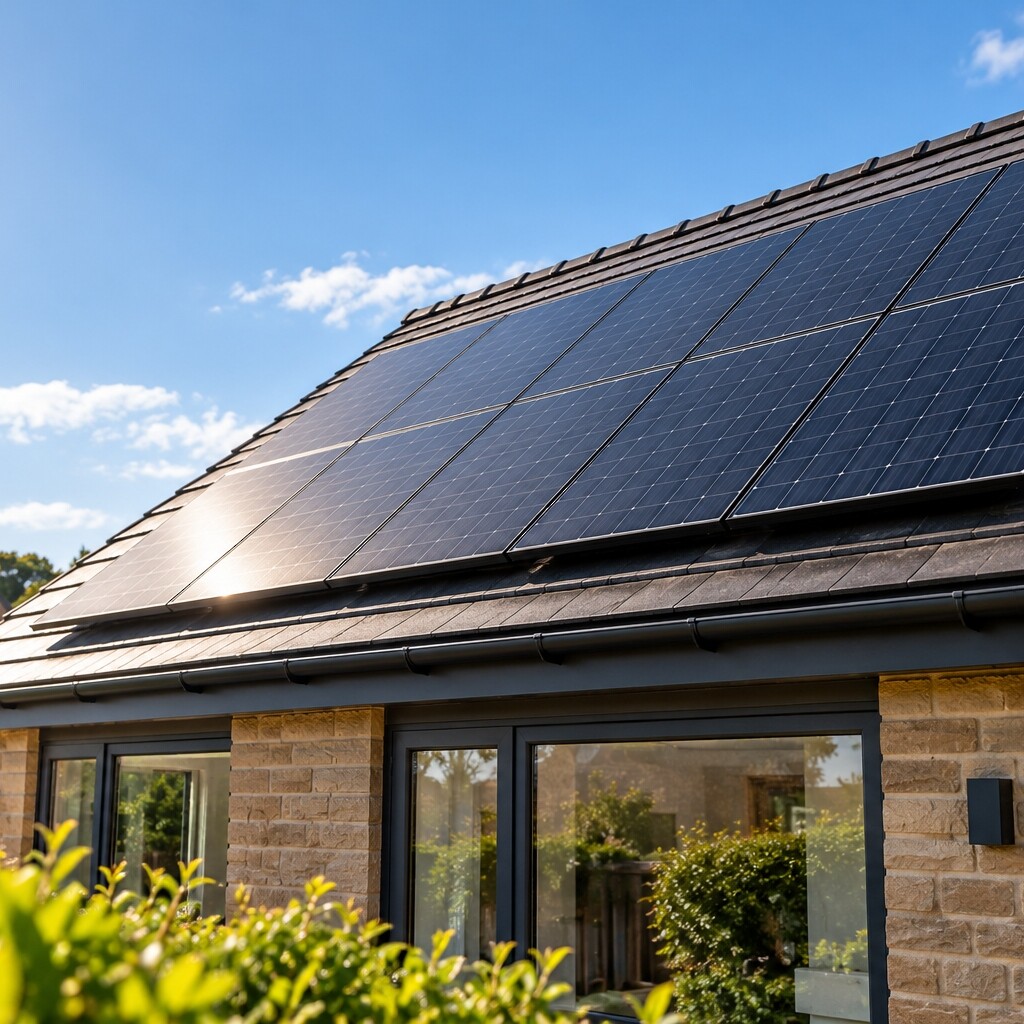
Domestic solar (PV) photovoltaic panels
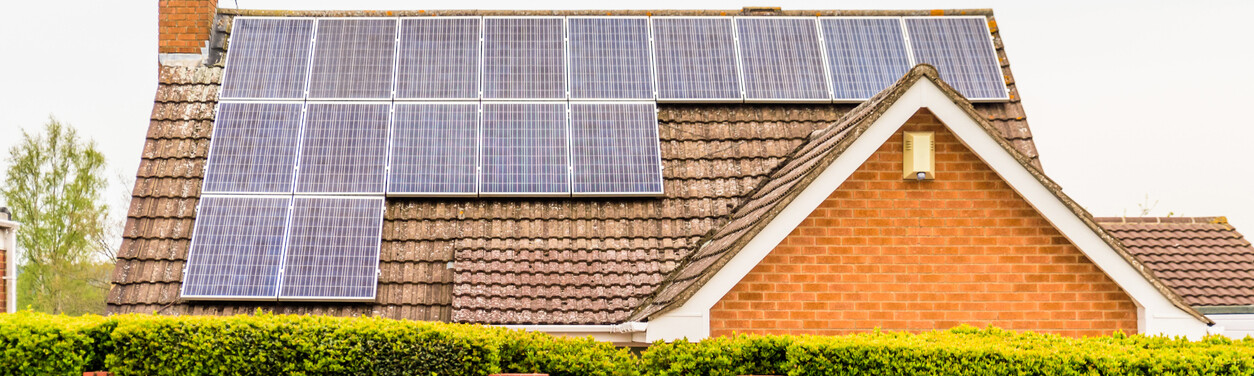
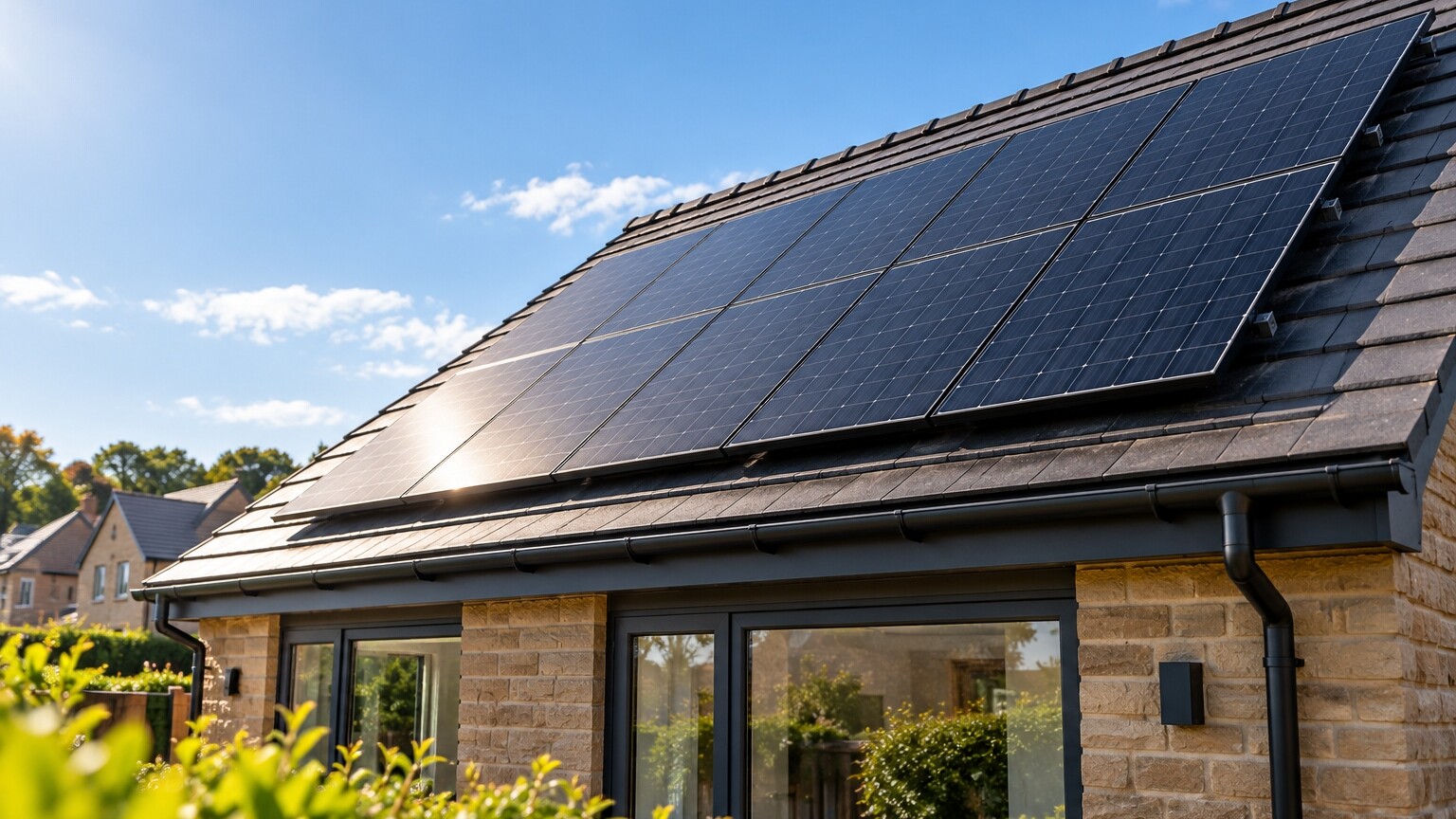
Solar photovoltaic (PV) panels convert sunlight into electricity for your home. Electricity generated can be used immediately, stored in a compatible battery or exported to the grid.
We assess your roof, shading, available space and electricity usage before recommending a suitable installation. Output and potential savings depend on your property, system size and how you use the electricity generated.
☀️ What we consider for your solar PV installation
🏠 Roof condition and available space
🧭 Roof orientation and shading
⚡ Household electricity consumption
📐 Suitable system size
🔋 Compatibility with battery storage
🚗 Integration with compatible EV charging
📊 Generation monitoring
📋 Electrical testing and commissioning
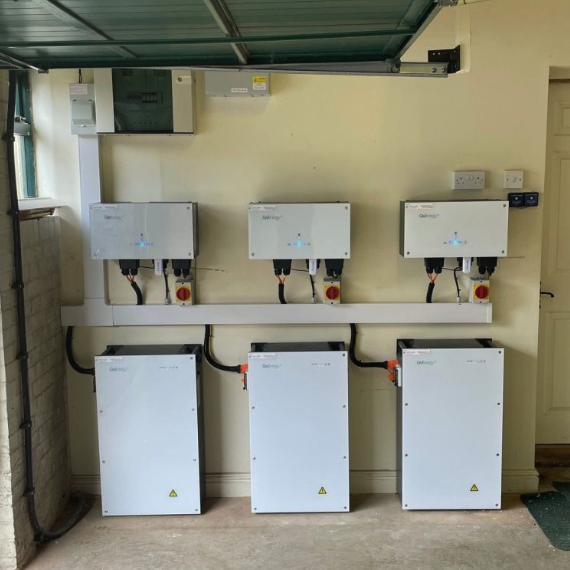
Solar energy battery storage
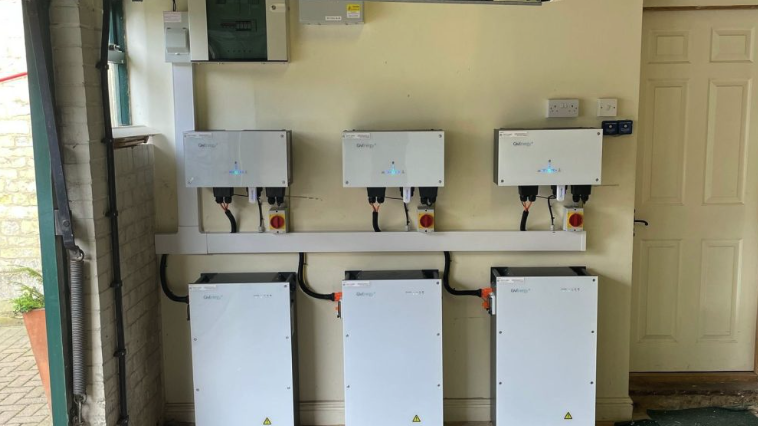
Home battery storage allows surplus solar electricity to be saved for use later, such as during the evening. Compatible systems can also charge from the grid during suitable off-peak tariff periods.
We assess your electricity usage, existing solar equipment and available installation space before recommending a suitable battery. Potential savings depend on capacity, system efficiency, tariffs and how the stored electricity is used
🔋 What we consider for your battery installation
⚡ Household electricity usage
🌙 Evening and overnight demand
☀️ Compatibility with existing solar PV
🔋 Suitable usable battery capacity
📍 Safe installation location
💷 Available electricity tariffs
📊 Battery monitoring and controls
🔧 Installation and commissioning
Ask yourself…
Are you looking for ways to reduce your household electricity bills?
Would you like to generate your own electricity using solar panels?
Does your home use more electricity in the evenings than during the day?
Could battery storage help you make better use of your solar-generated electricity?
Do you own an electric vehicle or plan to switch to one?
Would a dedicated home EV charger make everyday charging more convenient?
Does your home experience condensation, stale air or poor ventilation?
Are you renovating or improving your home's insulation and airtightness?
Would you like your home to be more energy-efficient and better prepared for the future?
Whether you're considering solar panels, battery storage, a home EV charger or improved ventilation, the right solution depends on your property, energy usage and everyday needs. We can help you explore practical options for making your home more energy-efficient.
CONTACT LAIRD ELECTRICAL
Get in touch to discuss your electrical requirements today.
Which green energy solution is right for your home?
From generating renewable electricity and storing energy to charging your electric vehicle and improving ventilation, each technology offers different benefits. Understanding how they work and what to consider can help you choose the right solution for your home.
Domestic solar PV
Generate electricityConverts sunlight into electricity that can be used to power your home, stored in a compatible battery or exported to the grid.
Helps reduce electricity purchased from the grid and allows homeowners to generate renewable electricity from their own roof.
Roof orientation, shading, structural suitability, available space and household electricity consumption.
Home battery storage
Store electricityStores electricity from compatible solar panels or the grid for use later, such as during the evening or higher-demand periods.
Helps increase the use of self-generated solar electricity and can support more flexible household energy management.
Battery capacity, electricity usage, suitable installation location, system compatibility and electricity tariffs.
Home EV charging
Charge your vehicleProvides a dedicated electric vehicle charging point at home, with suitable electrical protection and charging controls.
Offers convenient home charging and can support scheduled charging during suitable lower-cost electricity tariff periods.
Parking arrangements, electrical supply capacity, charger location, vehicle compatibility and available smart charging features.
Domestic MVHR systems
Recover heatProvides mechanical ventilation while recovering heat from outgoing air to help warm incoming fresh air.
Supports continuous ventilation, indoor air quality and reduced ventilation heat loss in suitable homes.
Property airtightness, ventilation requirements, ductwork routes, equipment space and ongoing filter maintenance.
Our domestic green energy services
From generating renewable electricity and storing energy for later use to convenient home EV charging and heat recovery ventilation, we provide practical solutions designed around your home, lifestyle and energy requirements.
Whether you're installing solar panels, adding battery storage, upgrading to home EV charging or improving ventilation, we can help you explore suitable solutions for a more energy-efficient home.


Myth busting
From solar panels and battery storage to EV charging and heat recovery ventilation, there are plenty of misconceptions about domestic green energy. Here are six common myths and the facts behind them.
Myth
Solar panels only work when it's sunny.
Fact
Solar PV panels generate electricity from daylight, not just direct sunshine. They can still produce electricity on cloudy days, although output is generally lower than in bright conditions. Generation also varies with the seasons.
Myth
You need solar panels to install home battery storage.
Fact
Some domestic battery systems can charge using electricity from the grid, including during suitable off-peak tariff periods. Solar panels are not always necessary, although combining the two can help homeowners use more of their self-generated electricity.
Myth
Solar panels and batteries mean you'll never need grid electricity.
Fact
Most domestic solar PV and battery systems remain connected to the electricity grid. Solar generation changes throughout the year, and stored energy is limited by battery capacity. The right combination can reduce grid consumption, but complete independence isn't guaranteed.
Myth
All home EV chargers charge at the same speed.
Fact
Charging speed depends on the charger's rated output, your vehicle's onboard charging capability and the available electrical supply. Many UK homes use 7kW chargers, but actual charging performance depends on the installation and vehicle.
Myth
MVHR systems are just expensive extractor fans.
Fact
Mechanical ventilation with heat recovery (MVHR) supplies fresh air and extracts stale air while transferring heat between the air streams. Unlike a basic extractor fan, a properly designed MVHR system can reduce ventilation heat loss in suitable airtight homes.
Myth
Installing green energy technology automatically lowers every household bill.
Fact
Potential savings depend on the technology, installation costs, household energy usage and electricity tariffs. Solar PV, battery storage, EV charging and MVHR serve different purposes, so each should be assessed against your property's needs rather than assuming guaranteed savings.
Jargon buster: domestic green energy
No jargon. Just straightforward advice.
From solar panels and battery storage to EV charging and heat recovery ventilation, green energy technology comes with plenty of technical terms. Here's what some of the most common ones actually mean.
Solar PV
PV stands for photovoltaic. Solar PV panels convert sunlight into electricity that can be used to power your home, stored in a compatible battery or exported to the electricity grid.
Solar inverter
An inverter converts the direct current (DC) electricity produced by solar panels into alternating current (AC) electricity suitable for use by household appliances and the electrical installation.
kW and kWh
A kilowatt (kW) measures electrical power, while a kilowatt-hour (kWh) measures energy. For example, a 1kW appliance running for one hour uses 1kWh of electricity. These measurements are important when comparing solar systems, batteries and EV chargers.
Battery capacity
Battery capacity is the amount of energy a battery can store, usually measured in kilowatt-hours (kWh). The usable capacity helps determine how much electricity is available for your home before the battery needs recharging.
Self-consumption
Self-consumption means using the electricity generated by your own solar panels rather than exporting it to the grid. Battery storage can help increase self-consumption by saving surplus solar electricity for use later.
Smart EV charging
Smart EV charging allows compatible chargers to manage when and how a vehicle charges. Features may include scheduled charging, energy monitoring and integration with suitable electricity tariffs or solar PV systems.
Dynamic load management
A system that monitors electrical demand and adjusts EV charging power to help prevent the property's available electrical supply capacity from being exceeded.
MVHR
MVHR stands for mechanical ventilation with heat recovery. It provides controlled fresh air to a property while extracting stale air and recovering heat that would otherwise be lost through ventilation.
Heat recovery efficiency
A measure of how effectively an MVHR unit transfers heat from outgoing air to incoming fresh air. Actual performance depends on the equipment, installation, airflow and operating conditions.
DNO
DNO stands for Distribution Network Operator. This is the organisation responsible for the local electricity distribution network. Certain solar PV, battery storage and EV charging installations require notification or approval from the relevant DNO.