

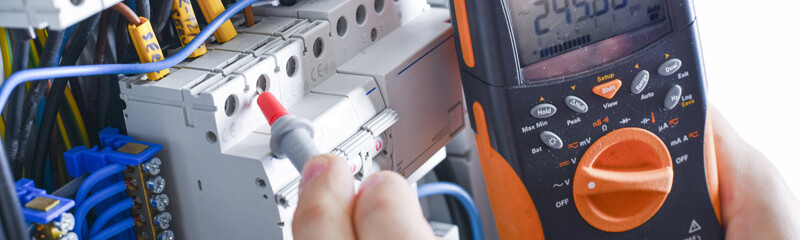
Why is regular electrical testing important?
Electrical faults and deteriorating wiring aren’t always visible, even when everything appears to be working normally. Regular EICR testing helps identify potential hazards, assess the condition of your electrical installation and highlight any improvements needed. It also helps landlords and businesses understand and meet their electrical safety responsibilities.
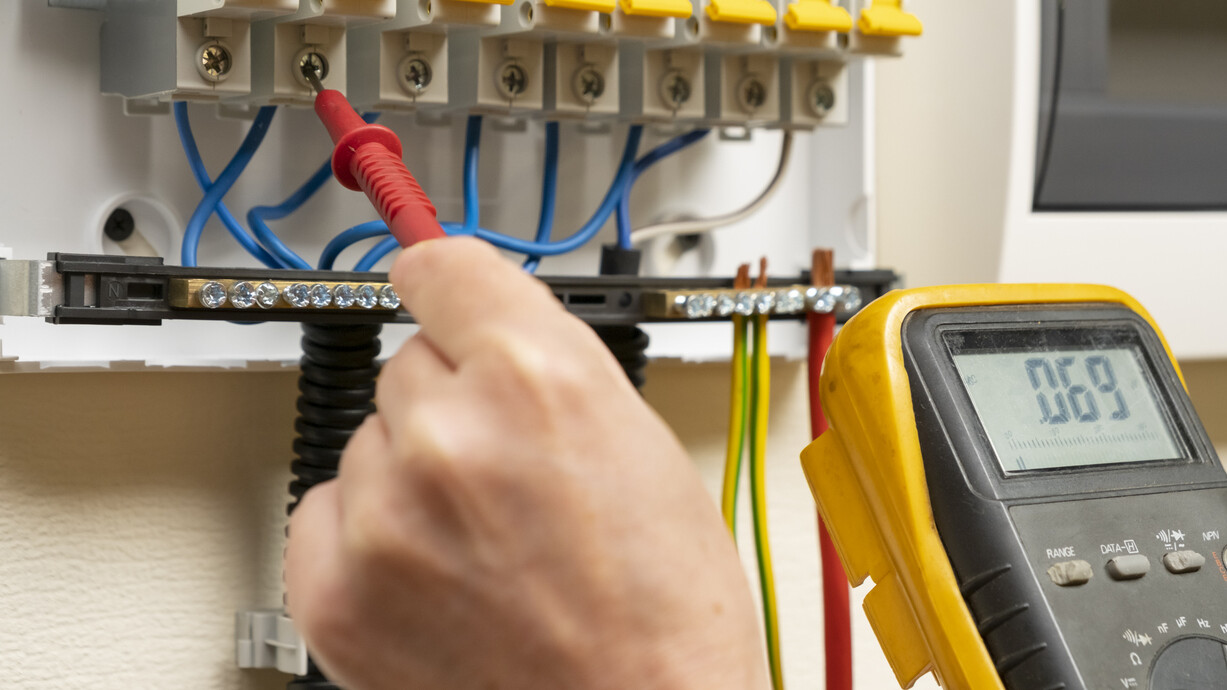

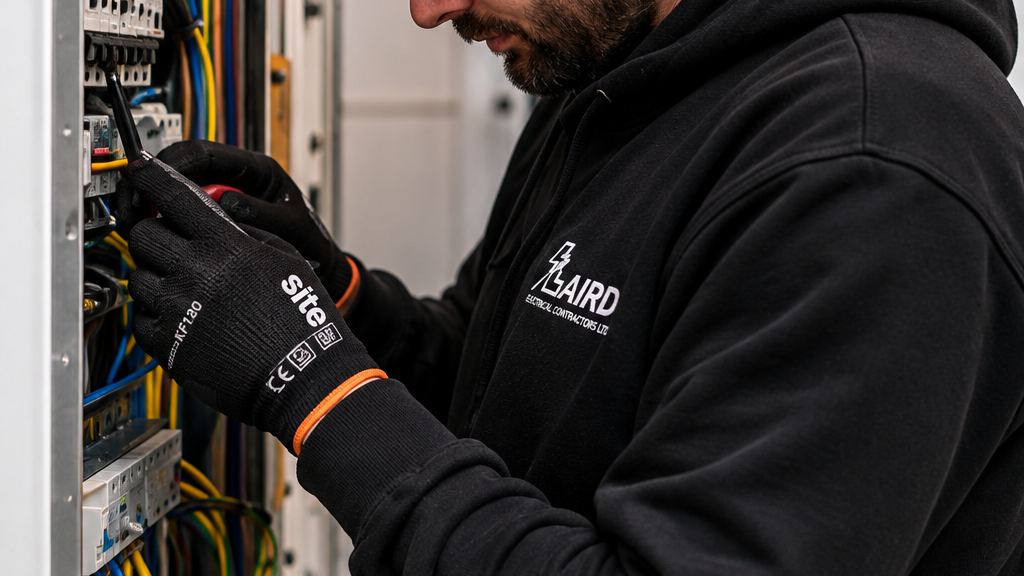
Domestic EICR testing
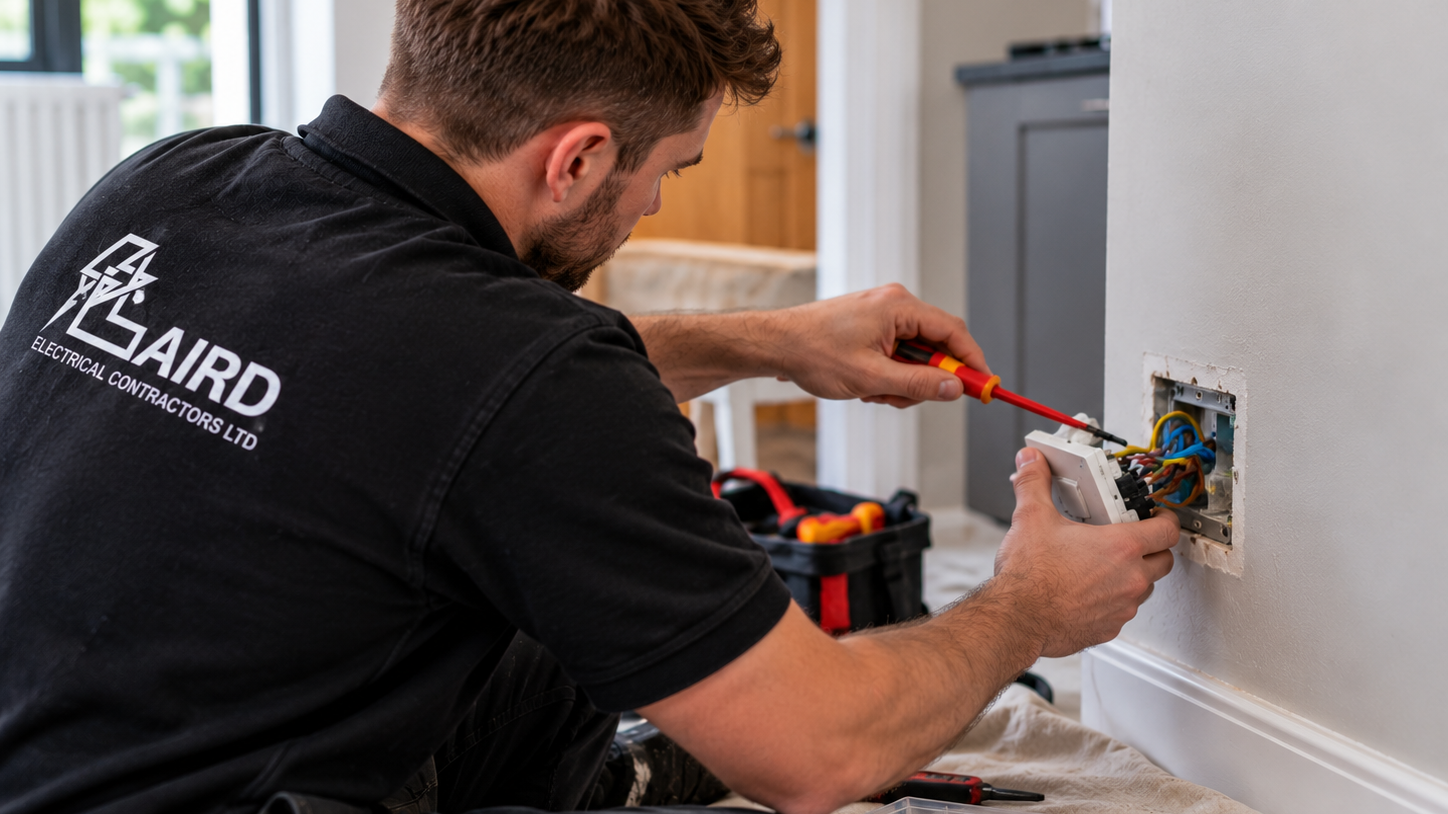
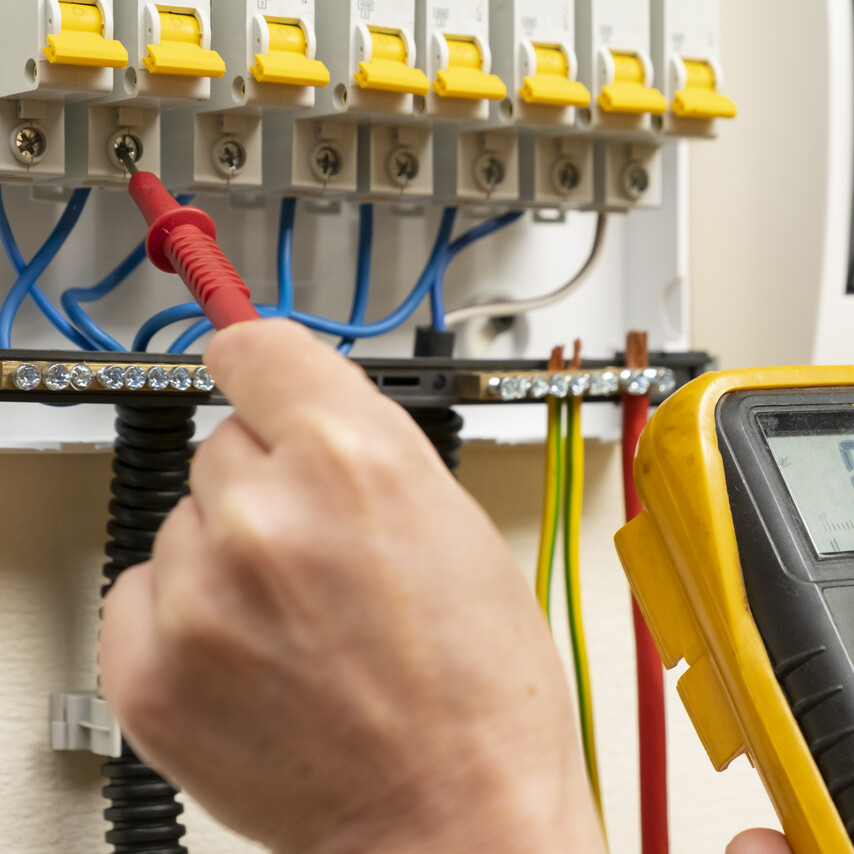
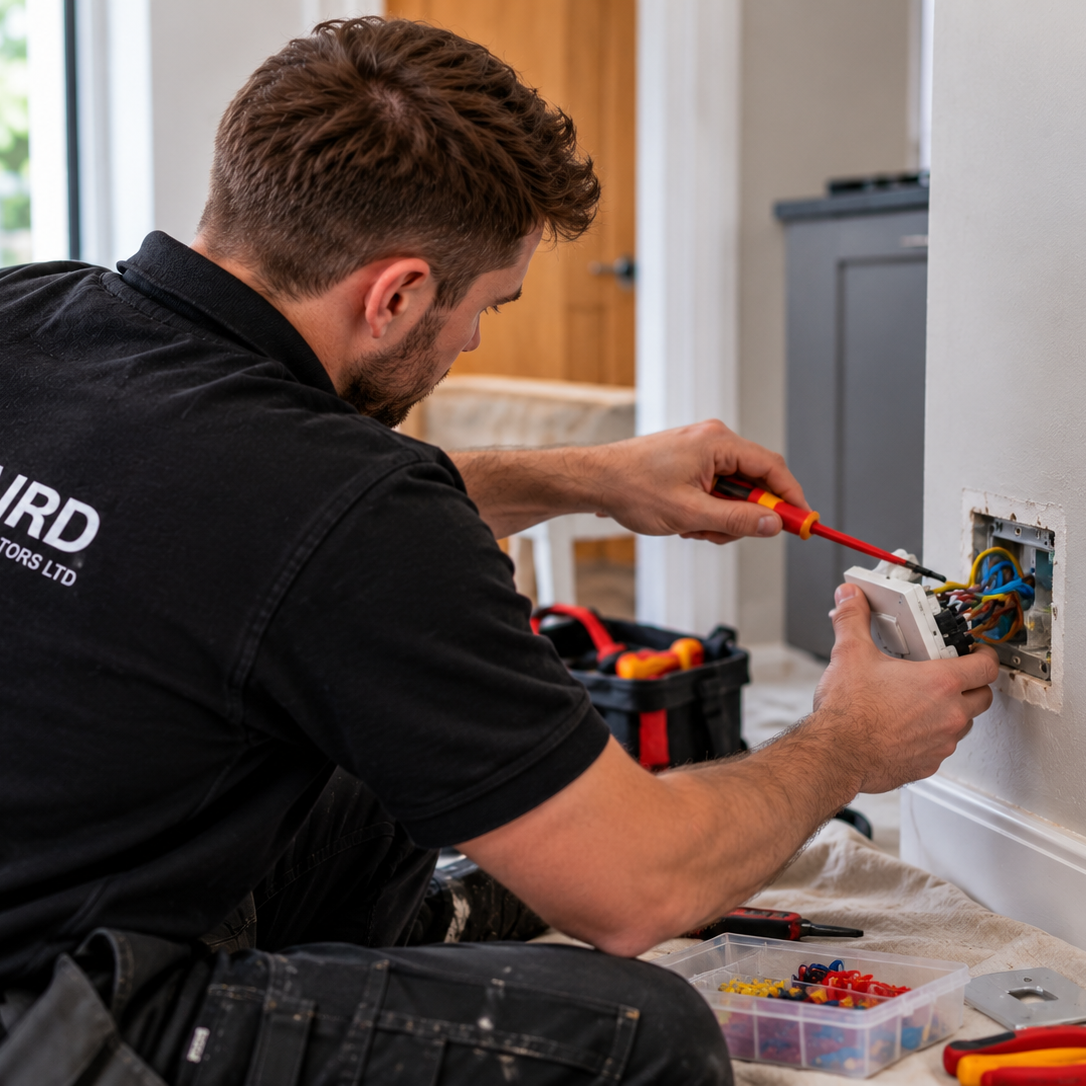
A domestic Electrical Installation Condition Report (EICR) assesses the safety and condition of your home’s fixed electrical installation. Our qualified electricians carry out electrical inspections across Leeds and Yorkshire, identifying potential faults, deterioration and safety concerns.
Whether you’re buying a property, planning renovations or concerned about ageing wiring, a domestic EICR helps you understand the condition of your electrics and whether improvements are recommended. We inspect and test electrical circuits, consumer units and accessible electrical accessories, providing a clear report with practical advice on any issues identified.
What does a domestic EICR inspection cover?
✅ Consumer unit and fuse board inspections
✅ Fixed wiring and electrical circuit testing
✅ Earthing and bonding assessments
✅ Electrical safety and protective device checks
✅ Damaged or deteriorating wiring
✅ Electrical Installation Condition Reports
Landlord EICR reports
Landlord EICR testing helps property owners meet their electrical safety responsibilities and protect tenants from potential electrical hazards. We provide professional electrical inspections and landlord safety reports for rental properties across Leeds and Yorkshire.
Private landlords in England must arrange electrical inspections at least every five years, or sooner where required by the previous report, and comply with applicable requirements for addressing identified defects.
Whether you’re preparing a property for new tenants or arranging a periodic inspection, we provide clear reporting and practical guidance on any electrical remedial work required.
What landlord EICR services do we provide?
✅ Safety inspections for rental properties
✅ Five-year landlord EICR testing
✅ Pre-tenancy electrical condition assessments
✅ Electrical fault identification and reporting
✅ Landlord electrical remedial work
✅ Electrical safety reports and documentation
What is an EICR and why is it important?
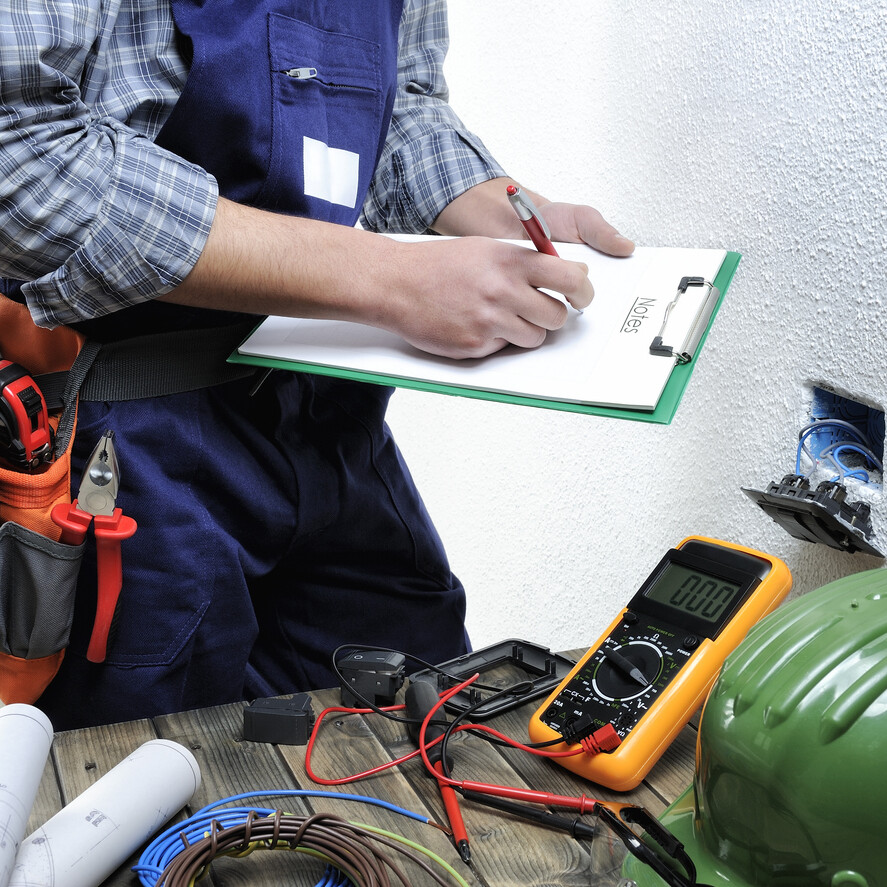
An Electrical Installation Condition Report (EICR) is a report produced following the inspection and testing of a property's fixed electrical installation. It examines wiring, circuits, consumer units and protective devices to identify deterioration, electrical faults and potential safety hazards that may not be visible during everyday use.
Regular EICR testing helps homeowners understand the condition of their electrics, supports landlords in meeting their legal electrical safety responsibilities and helps businesses maintain safe working environments.
Whether for a home, rental property or commercial premises, an EICR provides a clear record of the installation's condition and highlights any repairs or improvements that may be needed.
Why does an EICR matter?
Commercial EICR testing
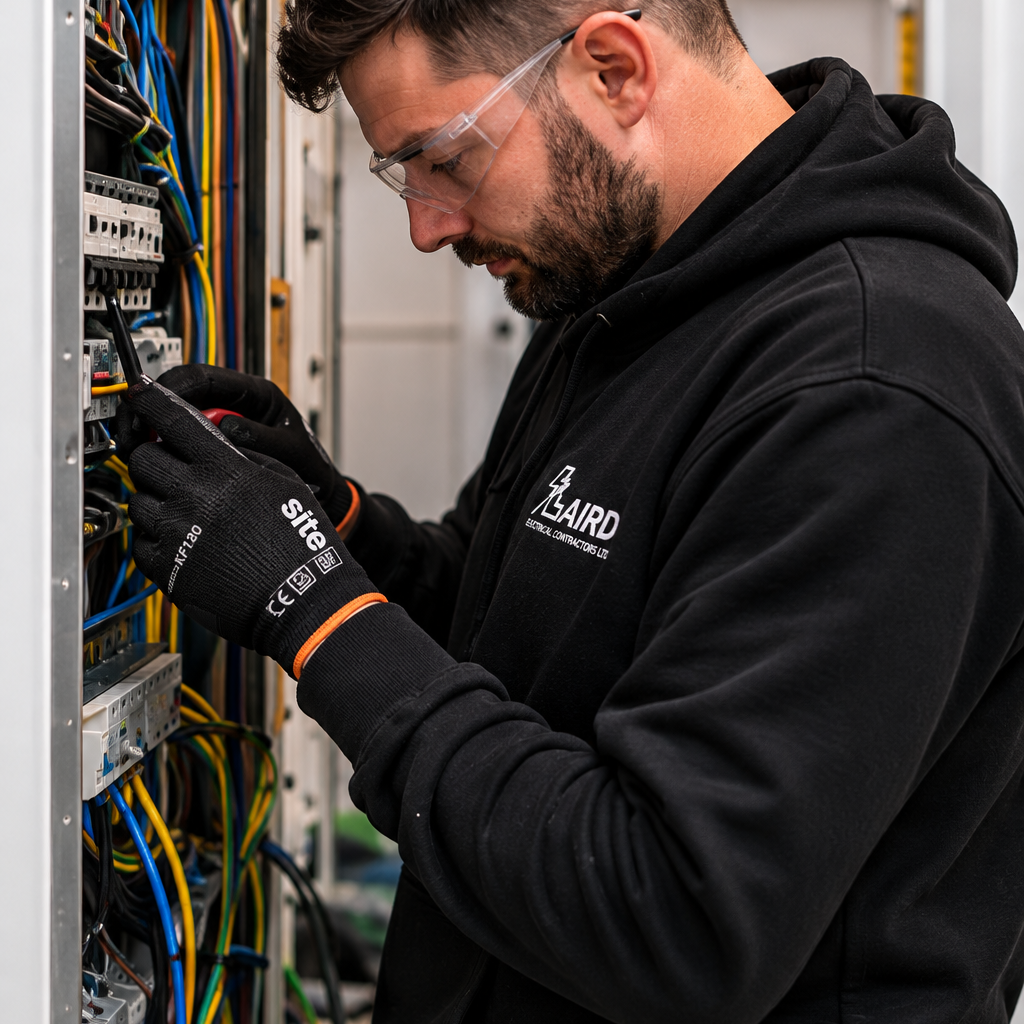
Commercial Electrical Installation Condition Reports help businesses assess the safety and condition of their fixed electrical installations. We provide professional EICR inspections for offices, retail premises, warehouses and industrial properties across Leeds and Yorkshire.
Our electrical testing considers the age, condition and use of your installation, identifying deterioration, potential hazards and defects that could affect workplace safety or business operations. Whether you manage a single commercial property or multiple premises, we provide clear inspection reports, practical recommendations and testing arrangements designed to minimise operational disruption.
What commercial EICR services do we provide?
✅ Commercial electrical installation inspections
✅ Three-phase electrical system assessments
✅ Distribution board and circuit testing
✅ Inspection sampling where appropriate
✅ Workplace electrical safety reporting
✅ Commercial EICR testing and reporting
EICR remedial work and repairs
An unsatisfactory Electrical Installation Condition Report doesn’t automatically mean your property needs a complete rewire. It means electrical safety concerns have been identified that require appropriate attention.
We provide EICR remedial work for domestic, rental and commercial properties across Leeds and Yorkshire, addressing electrical defects identified during inspection and testing. From faulty wiring and damaged accessories to inadequate electrical protection, we explain the findings, recommend proportionate repairs and provide appropriate documentation following completed work.
What EICR remedial services do we provide?
✅ C1 and C2 electrical defect rectification
✅ Electrical fault finding and repairs
✅ Consumer unit and protective device upgrades
✅ Earthing and bonding improvements
✅ Damaged wiring and accessory replacements
✅ Remedial electrical testing and certification
CONTACT LAIRD ELECTRICAL
Get in touch to discuss your electrical requirements today.
What happens during an EICR inspection?
From the initial assessment to your completed electrical safety report, here's what to expect during a professional EICR inspection for your home, rental property or commercial premises.
Initial assessment
We review the property's electrical installation, available records and inspection requirements to establish the appropriate scope of testing.
Visual inspection
Consumer units, distribution boards, accessible wiring, sockets and electrical accessories are checked for damage, deterioration and potential hazards.
Electrical testing
Appropriate tests are carried out on circuits, earthing arrangements and protective devices to assess the installation's electrical safety.
Inspection findings
Any identified defects, deterioration or safety concerns are recorded using the relevant EICR observation codes and inspection findings.
Your EICR report
You receive an Electrical Installation Condition Report detailing the inspection results, overall assessment and any recommended actions.
Remedial work and advice
If issues are identified, we explain the findings and discuss suitable repairs, further investigation or electrical improvements where required.
What do EICR observation codes mean?
An Electrical Installation Condition Report (EICR) uses classification codes to identify electrical safety concerns and recommend appropriate action. Understanding these codes helps you interpret your inspection results and know what happens next.
Danger present
Immediate action requiredAn electrical defect presents an immediate risk of injury. The installation, or part of it, is considered dangerous and requires immediate attention.
Immediate action is necessary to remove the danger. This may involve isolating the affected circuit or equipment until appropriate repairs are completed.
Potentially dangerous
Urgent remedial workA defect has been identified that could become dangerous under certain conditions. Although immediate danger may not be present, the issue represents a potential safety risk.
Urgent remedial action is necessary. The electrician will explain the defect and recommend appropriate repairs to address the concern.
Improvement recommended
Advisory observationAn aspect of the electrical installation could be improved to provide better protection or safety. It is not classified as immediately or potentially dangerous.
Improvement is recommended but advisory. A C3 observation alone does not make an EICR unsatisfactory. The electrician can explain any suggested improvements.
Further investigation
Investigation advisedA potential issue has been identified, but the inspector cannot determine its appropriate classification without further investigation. Additional checks are advised to establish the findings.
Further investigation is advised to establish whether a defect exists and what action may be necessary. Under the revised BS 7671 Amendment 4:2026 model report, FI alone does not make an EICR unsatisfactory.
Important: Under the revised BS 7671 Amendment 4:2026 model EICR, C1 and C2 observations result in an unsatisfactory assessment, while C3 and FI observations do not automatically make the report unsatisfactory. Further investigation should still be taken seriously, and separate legal obligations may apply to landlords and other dutyholders. An unsatisfactory EICR does not automatically mean a complete rewire is necessary.
How often is an EICR required?
Regular electrical testing helps assess safety and identify work needed for compliance
Landlords
5
At least every 5 years, or sooner if specified in the report.
Homeowners
10
Every 10 years (recommended)
Commercial
5
(Typically every 5 years or as advised)
CONTACT LAIRD ELECTRICAL
Get in touch to discuss your electrical requirements today.

Myth busting: EICR testing
There are plenty of misconceptions about electrical safety inspections and EICR reports. Here are six common myths we hear and the facts behind them.
Myth
If my electrics are working normally, I don't need an EICR.
Fact
An electrical installation can continue powering lights and sockets even when hidden defects or deterioration are present. An EICR assesses the condition of the fixed electrical installation and can identify safety concerns that aren't obvious during everyday use.
Myth
Every property legally needs an EICR every five years.
Fact
Inspection requirements depend on the property and how it's used. Covered rented homes in England generally require inspection and testing at least every five years, or sooner where specified. Owner-occupied homes don't have the same universal legal requirement, while commercial inspection intervals are determined by relevant risks and duties.
Myth
An EICR checks every electrical appliance in the property.
Fact
An EICR focuses on the fixed electrical installation, including wiring, circuits, distribution equipment and associated protection. Portable appliances and other electrical equipment may need separate inspection or testing depending on their use and associated risks.
Myth
If my EICR is unsatisfactory, the whole property needs rewiring.
Fact
An unsatisfactory EICR doesn't automatically mean a complete rewire is necessary. The report identifies specific defects or safety concerns. Some may be resolved through targeted repairs, replacement of protective equipment or further investigation. The appropriate solution depends on the actual findings.
Myth
The cheapest EICR quote always offers the best value.
Fact
Price matters, but so does the scope and quality of the inspection. A professional EICR requires appropriate inspection, testing, recording and reporting. When comparing quotations, ask what's included, whether limitations are anticipated and how the findings will be explained.
Myth
Once I receive my EICR report, there's nothing else I need to do.
Fact
The report is a record of the installation's condition at the time of inspection. Any identified defects or safety concerns need appropriate attention, and legal remedial deadlines may apply. Keep your report, arrange necessary work and retain documentation of completed repairs or investigations.
Jargon buster: electrical testing explained
No jargon. Just straightforward advice.
Electrical inspection and testing can involve unfamiliar terminology, particularly when discussing safety reports, electrical faults and certification. We've explained some of the most common terms in plain English, helping you understand what your electrician is checking, what your results mean and what happens next.
EICR
EICR stands for Electrical Installation Condition Report. It's a formal report produced following an inspection and testing of an existing fixed electrical installation. It records the installation's condition, any identified defects and the overall assessment of its safety.
Periodic inspection and testing
The process of inspecting and testing an existing electrical installation at appropriate intervals to assess its condition and identify deterioration, defects or potential safety concerns. The recommended frequency depends on the type, condition and use of the property, along with any legal requirements.
Electrical Installation Certificate (EIC)
A certificate issued following qualifying new electrical installation work, such as a new circuit or a complete rewire. It records details of the installation and the inspection and testing carried out to verify the completed work. It is different from an EICR, which assesses an existing installation.
Minor Electrical Installation Works Certificate
Often called a Minor Works Certificate, this document records qualifying minor additions or alterations to an existing electrical installation that do not include the provision of a new circuit. It confirms that the work has been inspected and tested as appropriate.
Electrical fault finding
The process of investigating an electrical problem to identify its cause and location. This may involve inspecting and testing circuits, wiring, sockets, switches, protective devices and connected equipment. Once the fault has been identified, appropriate repairs can be recommended.
Insulation resistance testing
An electrical test used to assess the effectiveness of insulation between conductors and earth, and between conductors where appropriate. Low insulation resistance can indicate deterioration, moisture, damage or other conditions that may require further investigation.
Continuity testing
A test used to confirm that an electrical conductor provides a continuous path where required. It is particularly important when checking protective conductors and certain circuit arrangements, helping verify that essential connections are present and correctly connected.
Earth fault loop impedance (Zs)
A measurement of the impedance of the electrical path that fault current would follow during an earth fault. The result helps an electrician assess whether protective devices are likely to disconnect the supply within the required time under relevant fault conditions.
RCD testing
RCD stands for Residual Current Device. It is designed to disconnect electricity when certain types of fault current are detected. RCD testing checks the operation of the device using appropriate test procedures to help verify that it provides the intended protection.
PAT testing
PAT stands for Portable Appliance Testing. The term is commonly used for the inspection and testing of electrical equipment used in workplaces and other environments. It helps identify damaged or unsafe equipment and is separate from an EICR, which assesses the fixed electrical installation.
EICR observation codes
Classification codes used on an EICR to describe identified safety concerns. C1 indicates danger present, C2 indicates potentially dangerous conditions, and C3 means improvement recommended. FI indicates that further investigation is advised to establish the nature of a potential issue.
Sampling and inspection limitations
Sampling involves inspecting or testing an agreed proportion of suitable parts of an electrical installation rather than every individual item. Limitations describe areas that could not be inspected or tested, or were excluded from the agreed scope. Both should be clearly documented so the extent of the inspection is understood.
Remedial electrical work
Repairs or improvements carried out to address defects identified during electrical inspection or testing. Remedial work may include repairing damaged wiring, replacing faulty accessories, correcting protective arrangements or other necessary electrical alterations.
Satisfactory and unsatisfactory reports
The overall assessment recorded on an Electrical Installation Condition Report. A satisfactory result means the installation is considered acceptable for continued use within the scope of the inspection. An unsatisfactory result indicates that identified safety concerns require appropriate action. The assessment should be considered alongside the observations and limitations recorded in the report.
Our electrical testing services
From routine electrical safety inspections to specialist testing and certification, we help homeowners, landlords and businesses across Leeds and Yorkshire understand the condition of their electrical installations and meet relevant safety requirements.
Need electrical testing? Whether you require a routine EICR, investigation of an electrical fault or testing following installation work, we can discuss your requirements and recommend the appropriate inspection, testing and documentation for your property.