



Why install a home EV charger?
Charging your electric vehicle at home gives you a convenient way to keep your car ready for everyday journeys without having to rely on public charging points. With a dedicated charger installed where you normally park, charging can become a simple part of your daily routine.
Every home and driver is different, so the right setup depends on your vehicle, electrical supply, parking layout and charging habits. We’ll assess these factors before recommending a suitable solution, helping ensure your charger is positioned correctly, installed safely and practical to use day after day.
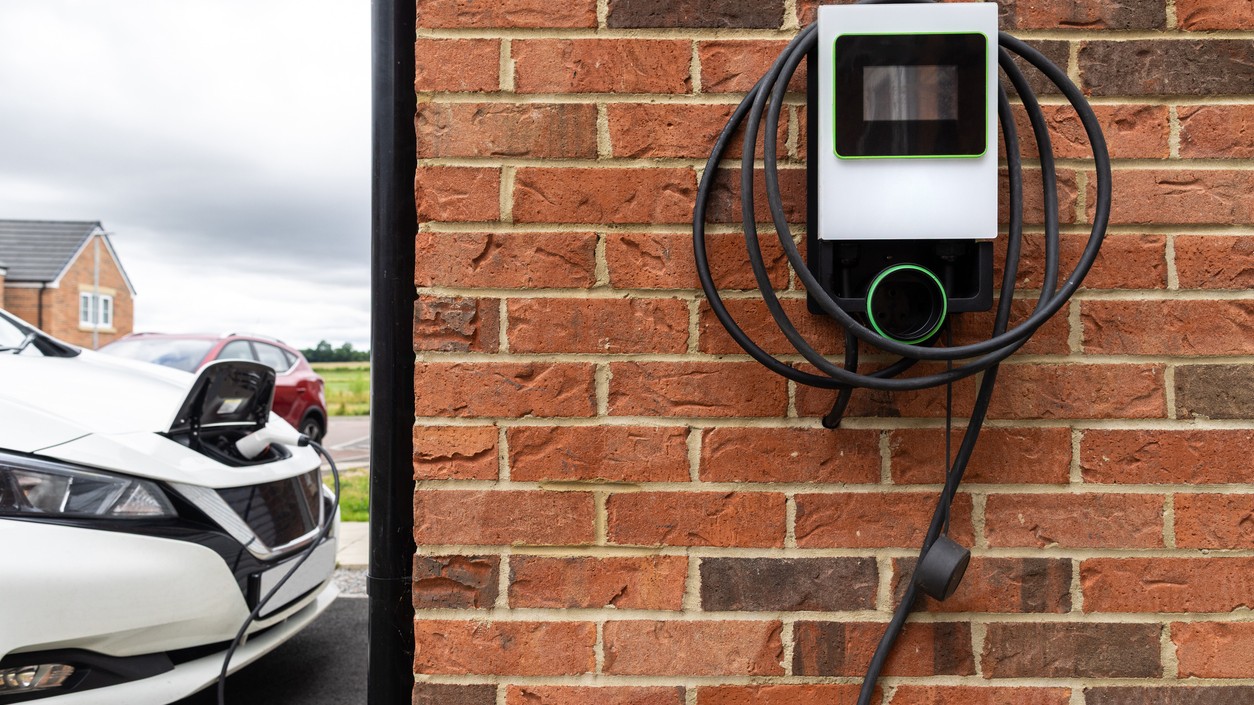


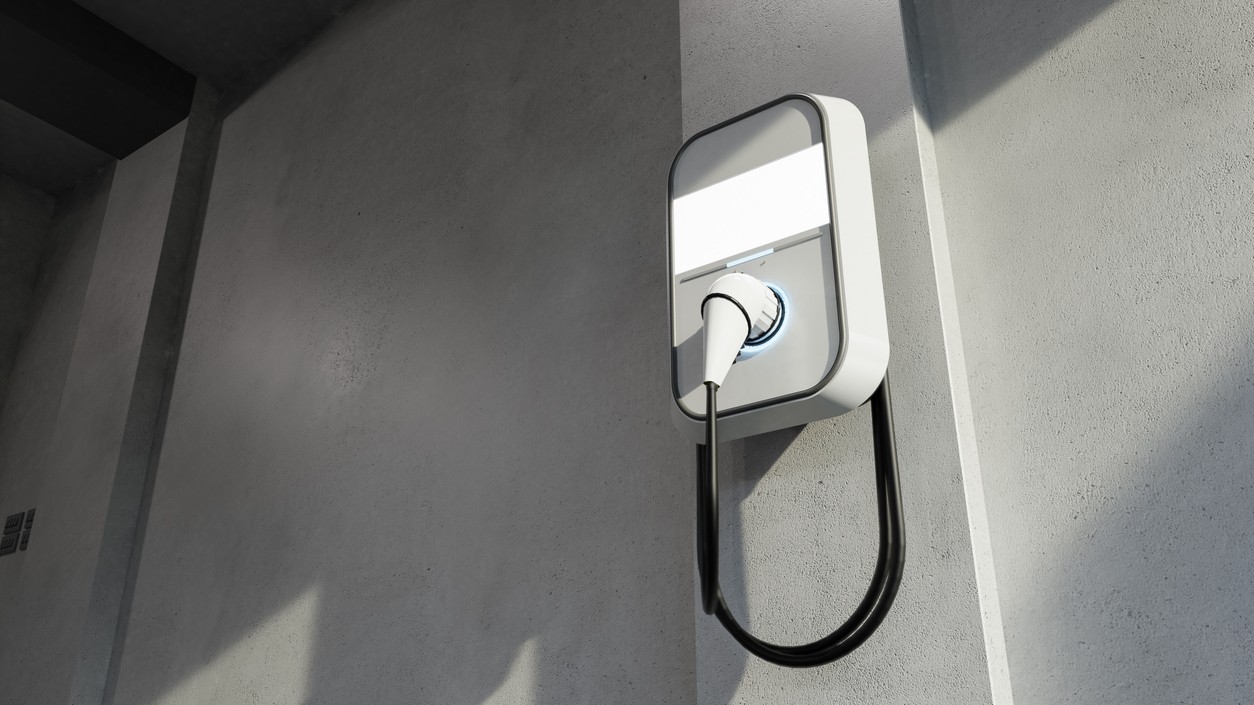
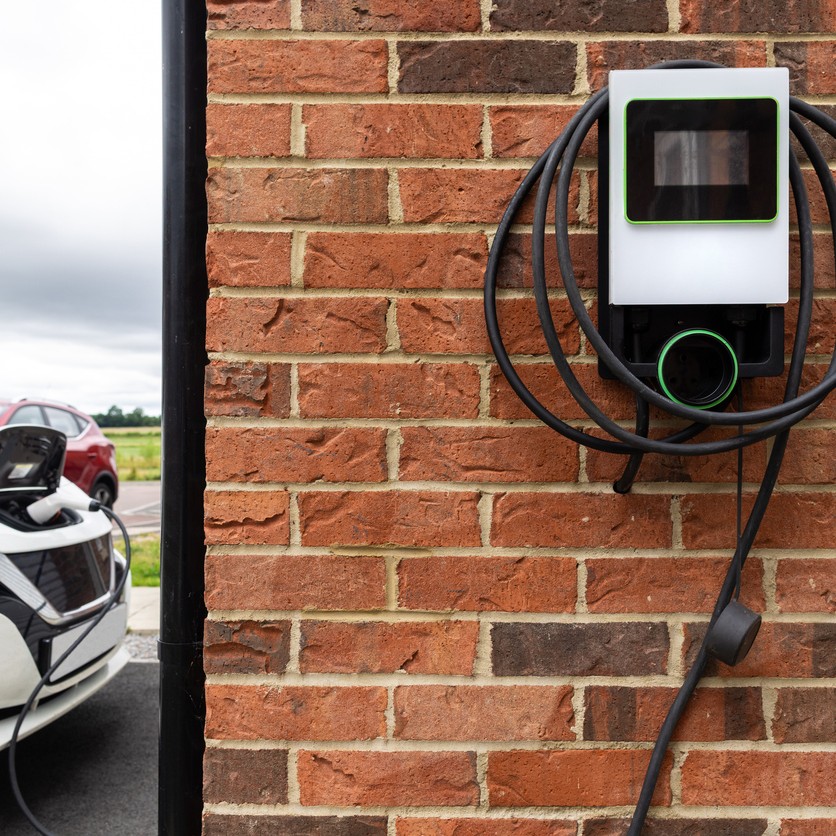
Choosing the right EV charger
There are many home EV chargers available, with different designs, cable arrangements, controls and smart features. The right choice should suit both your vehicle and the way you intend to charge it at home.
You’ll need to consider whether you prefer a tethered charger with a permanently attached cable or an untethered unit that uses a separate charging lead. Smart controls, connectivity and charger positioning may also influence your decision.
We can help you understand the available options and recommend a charging point that suits your property, vehicle and everyday charging habits.
🔌 Things to consider when choosing your charger
🚗 Compatibility with your electric vehicle
🔌 Tethered or untethered charging
⚡ Required charging power
📱 App control and smart features
🕐 Scheduled charging functions
📶 Wi-Fi or other connectivity requirements
🏠 Where the charger will be positioned
🎨 Size, design and appearance of the unit
🔒 Access and security features
🔮 Potential future vehicle requirements
Is your home suitable for an EV charger?
Installing a home EV charger requires more than simply choosing a convenient wall and mounting the charging point. The property’s electrical supply, existing installation and parking arrangement all need to be considered.
We’ll assess where your vehicle is normally parked, the proposed charger position and the route required for the new electrical circuit. We’ll also check the relevant parts of your existing electrical installation to establish what is required.
If additional electrical work is needed before the charger can be installed, we’ll explain what is required and incorporate it into the proposed installation.
🏠 What to consider before getting an EV charger
🚗 Availability of suitable off-street parking
⚡ Existing electrical supply and available capacity
🧰 Condition of the relevant electrical installation
📦 Consumer unit and existing protective devices
📍 Proposed position of the EV charger
📏 Distance between the supply & charging point
🧱 Practical route for the new charging circuit
🔌 Requirements for a dedicated electrical circuit
🛡️ Protection required for the installation
📶 Connectivity for smart charger features
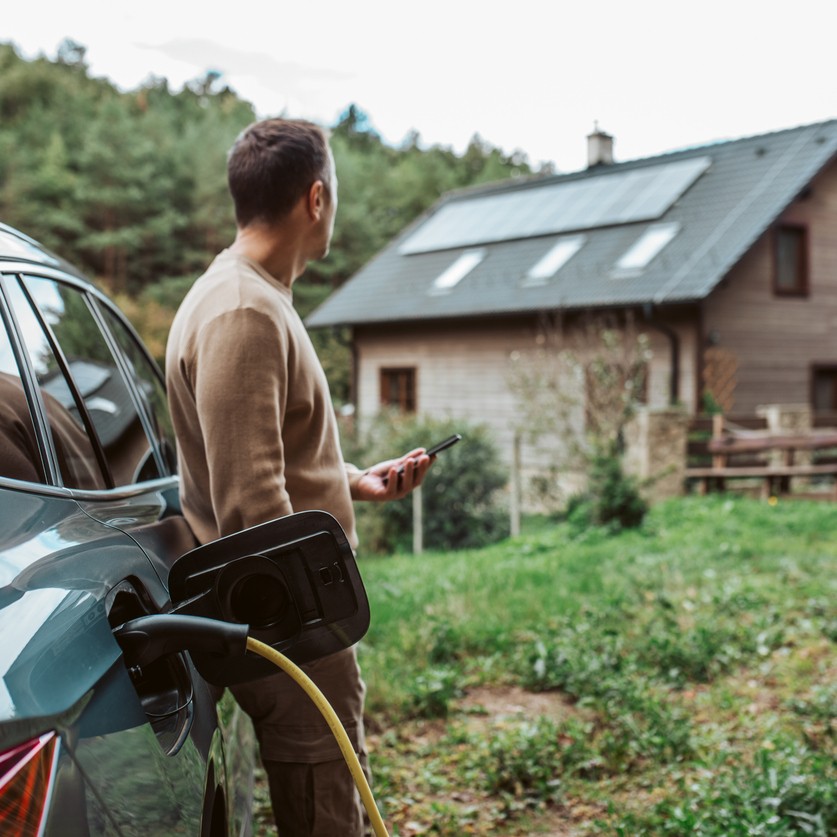
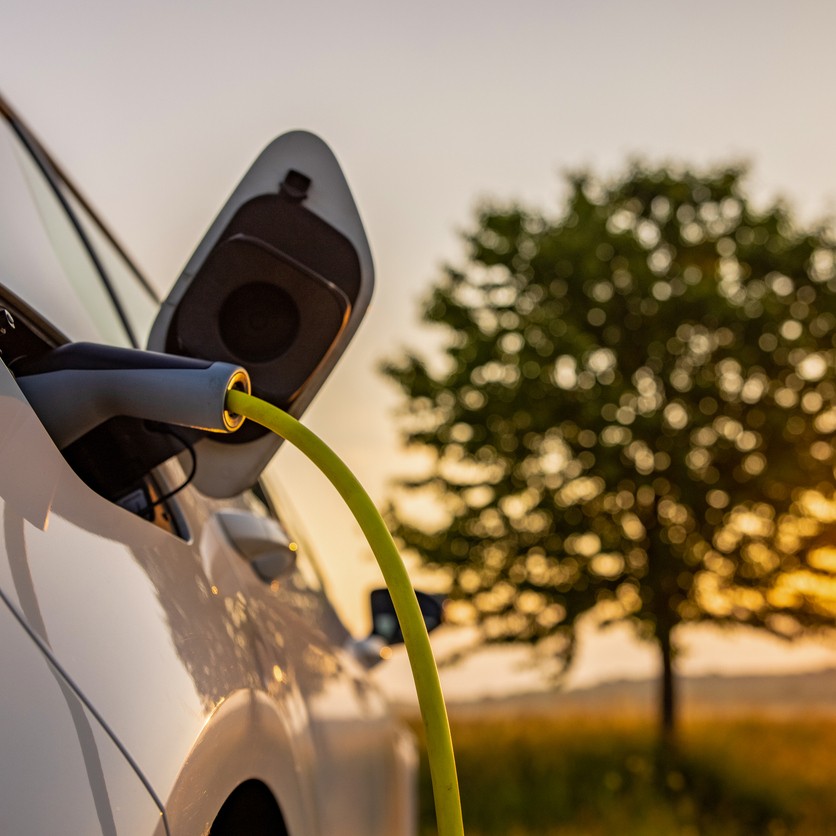
7kW vs 22kW EV charging
The power of an EV charger affects how quickly electricity can be delivered to your vehicle. For many homes, a 7kW charger provides a practical solution for regular charging while the vehicle is parked overnight or for extended periods. A 22kW charger can provide faster AC charging, but it requires a suitable three-phase electrical supply. Your vehicle must also be capable of accepting that charging rate, otherwise you won’t benefit from the additional power.
Battery size, daily mileage and the amount of time your vehicle spends parked at home are also important considerations. For many drivers, charging speed is less important than having enough time to comfortably replenish the energy used each day.
We’ll consider your vehicle, electrical supply and normal charging routine to recommend a charging arrangement that gives you the performance you need without specifying more power than you can actually use.
⚡ What determines the charging speed you need?
🏠 Type of electrical supply at your property
🚗 Maximum AC charging rate of your vehicle
🔋 Size of the vehicle battery
🕐 How long the vehicle will be parked at home
🛣️ Your typical daily mileage
🔌 Charging capability of the selected charger
⚡ Available electrical capacity at the property
🌙 Whether you normally charge overnight
🚘 How frequently the vehicle needs charging
📊 Your overall household electrical demand
EV charger installation costs
The cost of installing an EV charger at home depends on the charging point you choose and the work required to connect it safely to your electrical installation. There isn’t a single installation price that applies to every property. The position of the charger, length and complexity of the cable route, existing electrical supply and any additional electrical work can all affect the installation. Assessing these factors beforehand means we can recommend a suitable solution and explain what is involved before the work begins.
Some properties are relatively straightforward, while others may require a longer cable run, additional protection or upgrades to the existing electrical installation. The charger itself can also influence the overall cost, depending on the model, power output and smart features you choose.
We’ll assess your property and charging requirements before installation, giving you a clear understanding of the work required and the costs involved. Where different options are available, we’ll explain them clearly and help you choose a practical solution that works for your home, vehicle and budget.
💷 What can affect the costs?
🔌 Charger make and model
📏 Length of the required cable run
⚡ Capacity of the existing electrical supply
🏠 Location of the charger on the property
🧰 Additional electrical work required
🛡️ Required electrical protection
🚗 Distance between property & parking space
🧱 Walls, floors or obstacles along the cable route
📦 Existing consumer unit & electrical installation
📋 Testing, certification and commissioning
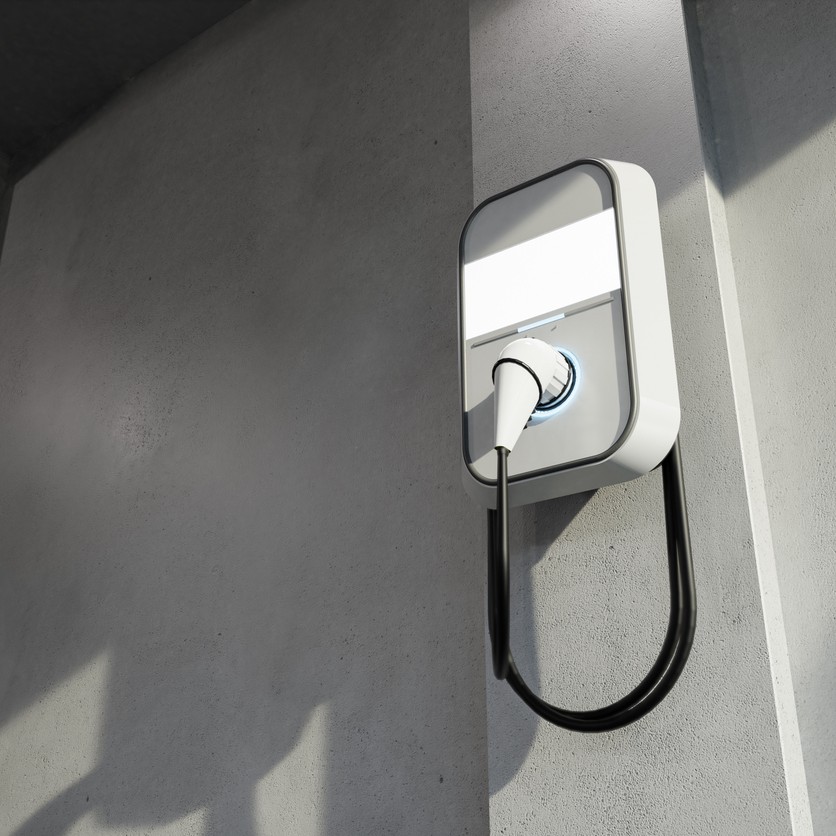
Ask yourself…
Do you have off-street parking where an EV charger could be installed?
Are you buying an electric vehicle or already charging one at home?
Are you currently relying on public chargers for most of your charging?
Do you know whether your electrical supply is suitable for an EV charger?
Are you unsure whether you need a 7kW or 22kW charger?
Would you like to schedule charging around the times that suit you?
Are you unsure whether to choose a tethered or untethered charger?
Are you considering solar panels, battery storage or other electrical upgrades in the future?
Could you have a second electric vehicle at your property in the future?
We'll assess your electrical supply, parking arrangement and charging requirements, explain the options in plain English and recommend a home charging solution that suits your vehicle, property and everyday routine.
CONTACT LAIRD ELECTRICAL
Get in touch to discuss your electrical requirements today.
Do you need a 7kW or 22kW EV charger?
You don’t necessarily need to know which charging speed is right for your home before speaking to us, but understanding the differences can help you see which option may be more suitable for your vehicle, electrical supply and everyday charging routine.
7kW EV Charger
Most common for homes22kW EV Charger
Faster AC chargingMost domestic properties and drivers who normally charge their vehicle overnight or while parked at home for several hours.
Properties with a suitable three-phase electrical supply and vehicles capable of accepting higher AC charging rates.
Installing a dedicated EV charging circuit and suitable protection based on the property’s existing electrical supply.
Requires a suitable three-phase supply, appropriate charger, dedicated circuit and confirmation that the vehicle can use the higher charging rate.
Provides practical home charging for everyday use without requiring the electrical capacity associated with higher-powered charging.
Can reduce charging time for compatible vehicles where the property and electrical supply can support the additional demand.
You want a reliable home charger for regular overnight charging and typical daily driving.
You have three-phase power, a compatible vehicle and a genuine need for faster AC charging at home.
Our EV charger services
Every property, vehicle and charging requirement is different, which is why we tailor our EV charger services to suit your home, electrical supply and everyday charging needs.
Whether you're installing your first home charger, upgrading an existing unit or preparing for a new electric vehicle, we'll provide a charging solution that suits your property, vehicle and everyday routine.


Myth busting
There are plenty of misconceptions about home EV charging. Here are some of the most common myths you might hear—and the facts behind them.
Myth
I need a 22kW charger to charge my EV quickly at home.
Fact
Not necessarily. A 7kW charger is suitable for many home charging requirements, particularly when the vehicle is parked for several hours or overnight. A 22kW charger requires a suitable three-phase supply, and the vehicle must also be capable of accepting the higher AC charging rate.
Myth
Any EV charger will work equally well with my car.
Fact
Chargers vary in power, cable arrangement, connectivity and smart features. Your vehicle's charging capability and your everyday charging routine should be considered when choosing the most suitable charger.
Myth
Installing an EV charger is just a case of mounting it on the wall.
Fact
A professional installation also involves assessing the electrical supply, providing a suitable dedicated circuit and protection, planning the cable route, installing the equipment and completing the necessary electrical testing.
Myth
A more powerful EV charger will always charge my car faster.
Fact
The vehicle determines how much AC charging power it can accept. Installing a higher-powered charger won't necessarily reduce charging time if the vehicle cannot use the additional power.
Myth
I need to completely drain my EV battery before charging it.
Fact
You don't need to wait until the battery is empty. Home charging makes it convenient to top up the vehicle when required, so it can be ready for your next journey without regularly running the battery down first.
Myth
All home EV charger installations are basically the same.
Fact
Every property is different. The electrical supply, existing installation, parking arrangement, charger position and cable route can all affect how the charging point should be installed.
Jargon buster: EV chargers
No jargon. Just straightforward advice.
EV charging terminology can sometimes sound more complicated than it needs to be. Here are some of the most common terms you might hear when choosing, installing or using an EV charger at home.
EV charge point
The fixed charging unit installed at your property that supplies electricity to charge your electric vehicle.
7kW charger
A common home EV charging power in the UK, typically used with a single-phase electrical supply and well suited to charging a vehicle while it is parked at home for several hours.
22kW charger
A higher-powered AC charger that requires a suitable three-phase electrical supply. Your vehicle must also support the higher AC charging rate to take full advantage of it.
Tethered charger
An EV charger with its charging cable permanently attached, allowing you to park, unwind the cable and connect it directly to your vehicle.
Untethered charger
An EV charger with a socket rather than a permanently attached lead. You connect a separate compatible charging cable between the charger and your vehicle.
Smart charging
Charging features that allow your charger to be controlled or scheduled, often through an app, so you can manage when your vehicle charges.
Load management
A system that helps manage the electrical demand from your EV charger alongside the electricity being used elsewhere in your property.
Dedicated circuit
A separate electrical circuit installed specifically to supply the EV charger rather than sharing a circuit with other electrical equipment.
Single-phase supply
The type of electricity supply found in many UK homes. It commonly supports domestic EV charging arrangements such as a 7kW charger.
Three-phase supply
An electrical supply capable of providing greater power than a typical single-phase domestic supply and generally required for 22kW AC charging at home.
AC charging
Alternating current charging, which is the type of charging commonly used by home EV charge points. The vehicle converts the AC electricity to DC to charge its battery.
Electrical Installation Certificate (EIC)
A certificate provided for qualifying new electrical installation work, recording details of the installation and confirming that the completed work has been inspected and tested.