
Electrical safety is an essential part of maintaining any property, whether it’s your family home, a rental property or commercial premises. But how do you know if your electrical installation is safe and in good condition? One of the most effective ways to assess the condition of your property’s electrics is through an Electrical Installation Condition Report, commonly known as an EICR. In this guide, we explain what an EICR is, what electricians check, how often inspections may be needed and what happens if problems are identified.
What is an EICR?
An Electrical Installation Condition Report (EICR) is a formal report produced following an inspection and testing of an existing electrical installation. The purpose of an EICR is to assess the condition of electrical wiring, circuits, consumer units or distribution boards, and associated electrical equipment forming part of the fixed installation. It helps identify deterioration, damage, defects and potential electrical hazards that may require attention. An EICR is sometimes referred to as a fixed wire test or electrical safety inspection, particularly in commercial properties.
What does an EICR inspection involve?
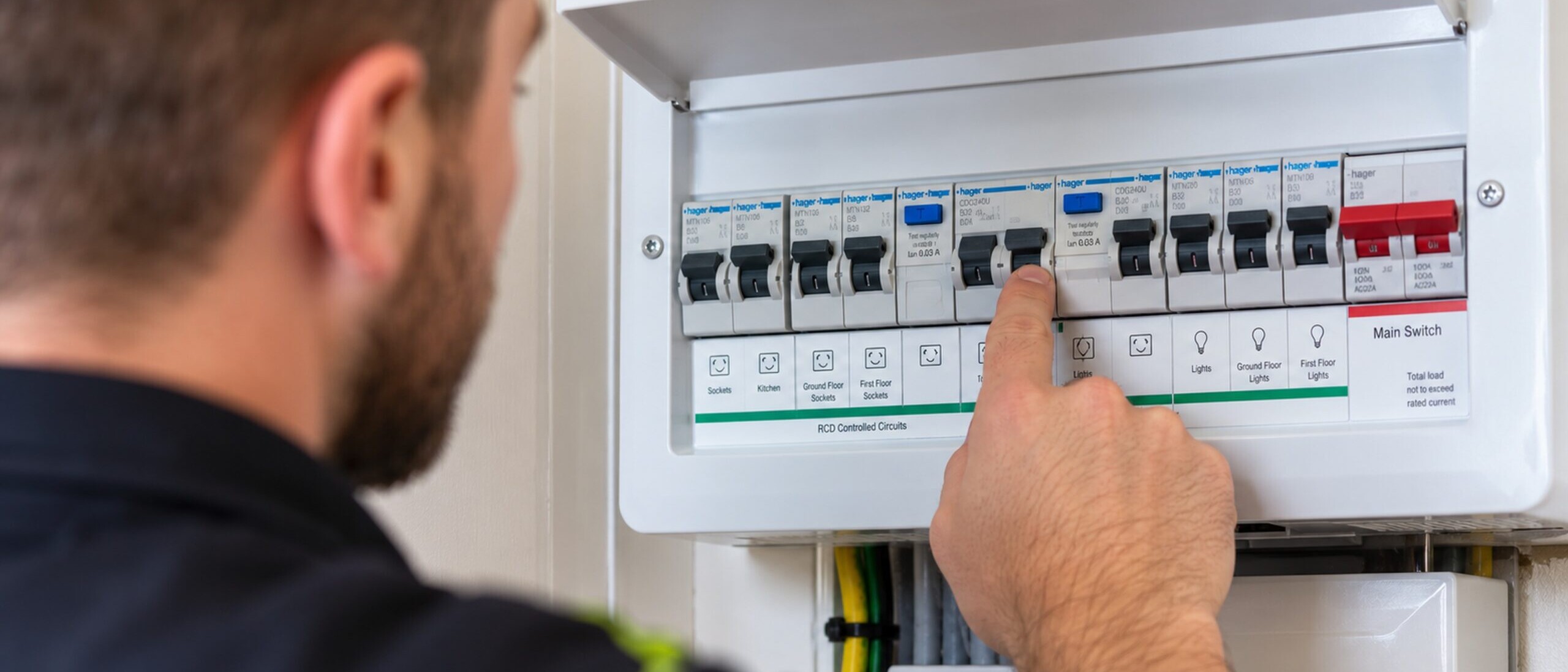
During an EICR inspection, a qualified electrician examines and tests relevant parts of the property’s fixed electrical installation. Depending on the installation and agreed inspection scope, this may include:
- Consumer units, fuse boards and distribution boards
- Electrical wiring and circuits
- Sockets, switches and electrical accessories
- Earthing and bonding arrangements
- Circuit breakers and protective devices
- Residual current devices (RCDs)
- Electrical connections and signs of deterioration
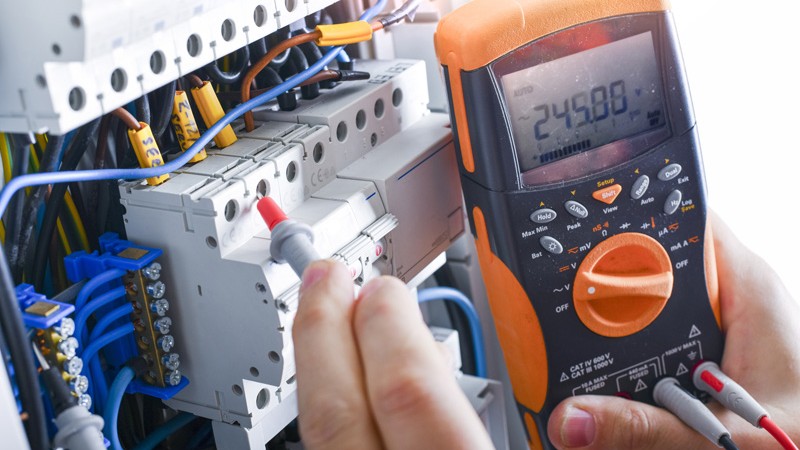
- Insulation resistance, continuity and other electrical tests
The electrician will also assess whether the installation presents potential safety risks. Some testing requires electrical circuits to be temporarily isolated, so it’s important to plan access and any necessary interruptions beforehand.
What do EICR codes mean?
If an electrician identifies an issue during the inspection, it will be recorded using an observation code. The main EICR classification codes are:
- C1 – Danger present: an immediate risk of injury exists, and immediate action is required to make the installation safe.
- C2 – Potentially dangerous: a defect presents a potential danger, and urgent remedial action is required.
- C3 – Improvement recommended: a improvement is recommended, although the observation does not, by itself, make the report unsatisfactory.
- FI – Further investigation required: further investigation is needed without delay because a potentially dangerous condition may exist.
An EICR will normally be classified as unsatisfactory if it contains C1, C2 or FI observations.
How often should you have an EICR?
The recommended frequency depends on the property, how it is used, the condition of the installation and any relevant legal requirements.
- Homeowners: for owner-occupied homes, an EICR is commonly recommended at intervals of no more than ten years, although earlier inspection may be appropriate depending on the property’s condition. It’s also worth considering an electrical inspection when purchasing an older property, planning major renovations or experiencing recurring electrical problems.
- Landlords and rental properties: in England, private landlords are generally required to arrange inspection and testing of electrical installations at least every five years, or sooner where the applicable report specifies a shorter interval. Landlords must also comply with the relevant requirements for providing reports and addressing identified defects.
- Commercial properties: for many commercial premises, five years is a commonly recommended initial maximum interval for periodic inspection, although the appropriate frequency varies. Offices, shops, warehouses, workshops and industrial premises can have different electrical risks and operating conditions.
The Electricity at Work Regulations 1989 require electrical systems to be maintained to prevent danger, so far as reasonably practicable. An EICR can form an important part of managing those responsibilities. There is no single statutory five-year EICR requirement applying to every commercial property.
Is an EICR a legal requirement?
Whether an EICR is legally required depends on the type of property and applicable regulations. For private rented homes in England, electrical safety legislation establishes specific inspection and testing duties. For owner-occupied homes, there is generally no universal legal requirement to obtain an EICR every ten years. Businesses and employers have duties to maintain electrical systems safely, and periodic inspection and testing can help demonstrate that electrical risks are being appropriately managed. An EICR is therefore an important safety document, but its legal status and required frequency depend on the circumstances.
What happens if your EICR is unsatisfactory?
An unsatisfactory EICR does not automatically mean the entire electrical installation needs replacing. The report identifies specific observations that require attention or further investigation. Depending on the findings, remedial work might involve replacing damaged accessories, repairing faulty wiring, improving protective arrangements or upgrading unsuitable electrical equipment. Once the necessary work has been completed, appropriate inspection, testing and documentation can be provided.
How long does an EICR take?
The time required depends on several factors, including:
- Property size and number of electrical circuits
- Age and condition of the installation
- Accessibility of electrical equipment
- Complexity of the distribution system
- Whether faults require additional investigation
A small domestic property will generally take less time to inspect than a large commercial building with multiple distribution boards. A professional electrician can provide a more accurate estimate after discussing the property and scope of testing.
How much does an EICR cost?
EICR costs vary depending on the size of the property, the number of circuits, installation complexity and accessibility. Domestic EICR inspections are usually more straightforward to price than large commercial installations, where testing requirements can vary considerably. It’s important to choose a competent electrician who carries out a thorough inspection rather than selecting a service based on price alone.
What’s the difference between an EICR and an electrical installation certificate?
Although both documents relate to electrical safety, they serve different purposes.
- An Electrical Installation Certificate (EIC) is issued for qualifying new electrical installation work or alterations and records the relevant inspection and testing.
- An Electrical Installation Condition Report (EICR) assesses the condition of an existing electrical installation at the time of inspection.
An EICR does not replace the certification required for new installation work.
Why choose LAIRD Electrical for EICR testing in Leeds?
Whether you’re a homeowner, landlord or business owner, understanding the condition of your electrical installation is an important part of maintaining a safe property. LAIRD Electrical provides electrical testing and inspection services across Leeds and Yorkshire, helping customers identify potential electrical hazards, understand inspection findings and arrange appropriate remedial work where required. We believe in straightforward advice, clear communication and professional electrical services without unnecessary jargon.
If you’re unsure when your property was last inspected, need an electrical safety report or have concerns about your existing wiring, LAIRD Electrical can help.
What’s included in our EICR service?
- Visual inspection of accessible electrical components
- Testing of circuits and protective devices
- Inspection of distribution boards and consumer units
- Earthing and bonding checks
- Identification of safety concerns or code breaches
- Detailed Electrical Installation Condition Report
- If remedial work is required, we provide clear quotations and complete repairs efficiently to bring your installation up to standard.
Contact LAIRD Electrical Contractors today to arrange an EICR, discuss your electrical safety requirements or request a competitive quotation.
Call 0113 4180 697 or tell us about your property and electrical inspection requirements.