

Why is the right alarm important?
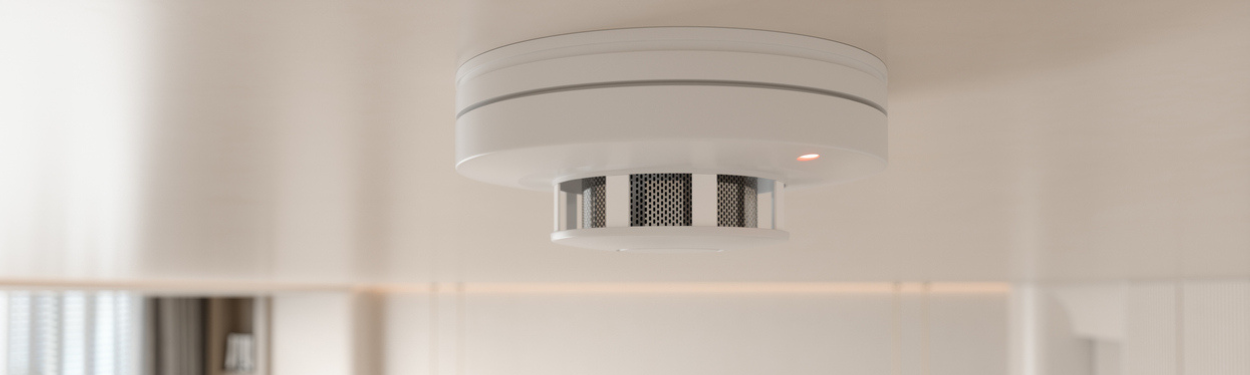
Smoke, heat and carbon monoxide alarms protect against different dangers, making correct selection and positioning essential. A properly planned system helps provide early warning and reliable protection throughout your home.
We assess your property, install suitable alarms in the right locations and ensure compatible devices work together where interlinking is required. Every system is carefully installed and tested, giving you confidence in your home’s protection.

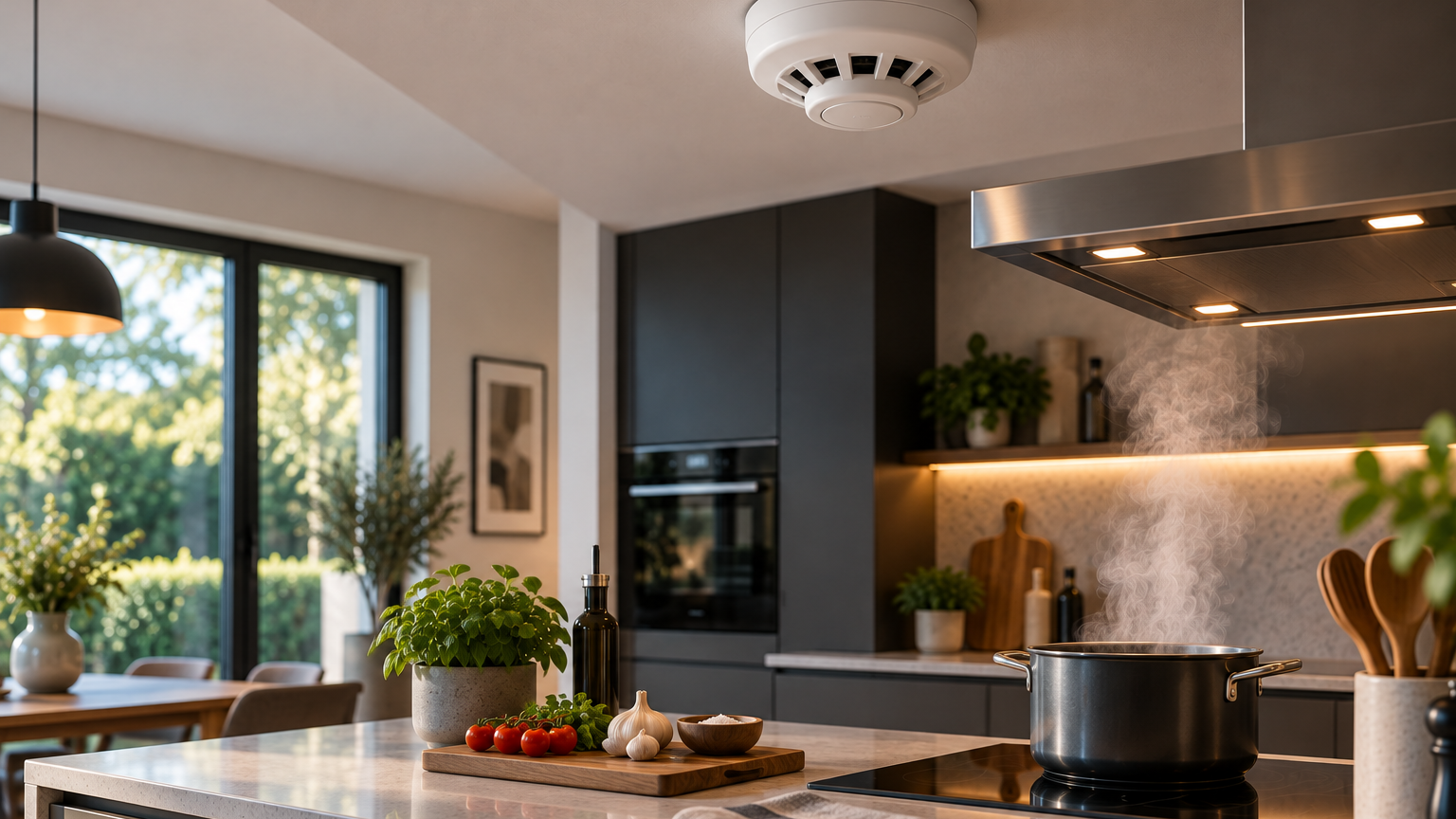
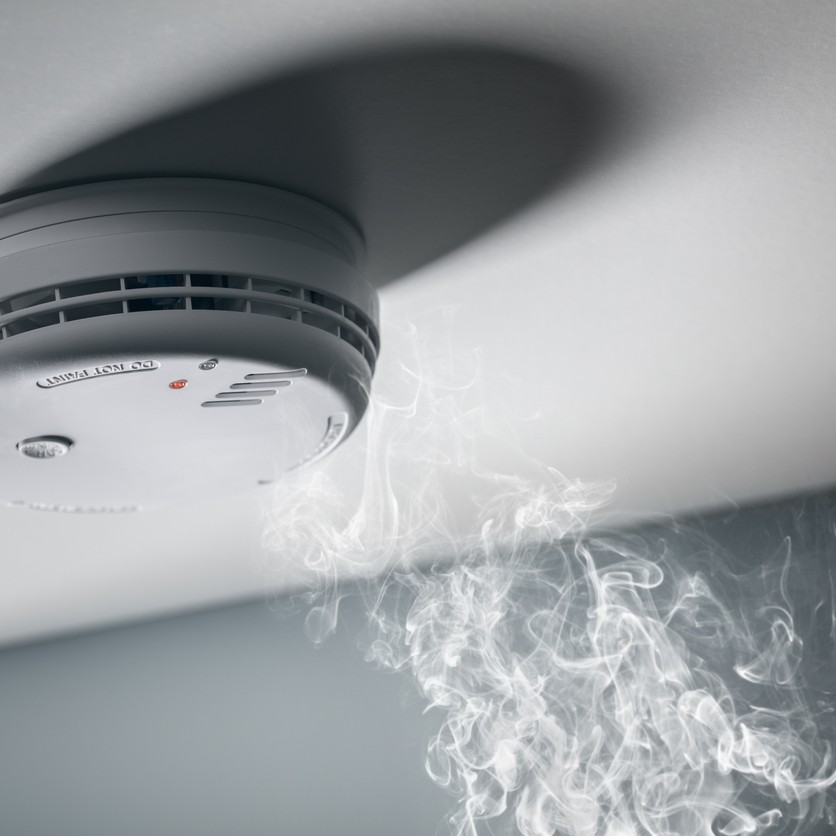
Smoke alarms for earlyfire warning
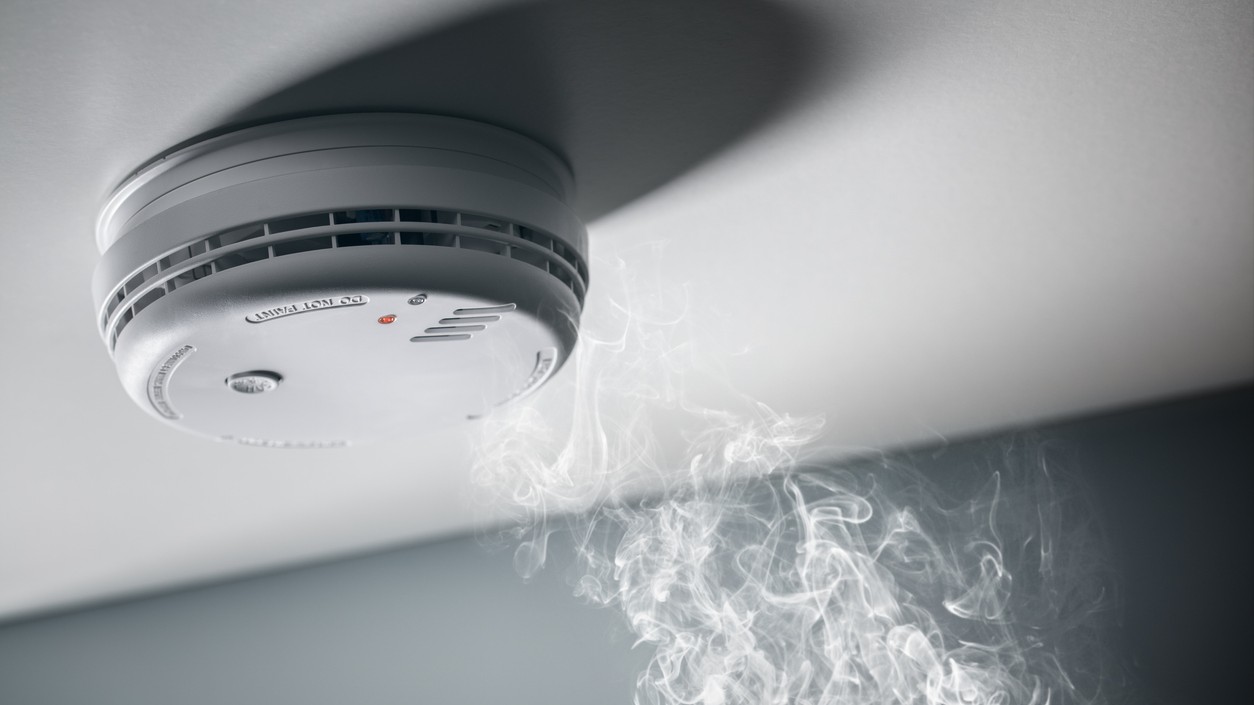
Smoke alarms are designed to detect the early signs of a fire and provide warning before smoke and fire have had time to spread. Correct positioning is important, particularly around circulation spaces and escape routes where an alarm can help alert people throughout the property.
We assess the layout of your home and position suitable smoke alarms to provide effective coverage. Where alarms form part of an interlinked system, detection in one area can also trigger compatible alarms elsewhere in the property, helping the warning to be heard when it matters most.
Where smoke alarm coverage matters
🚪 Helps protect hallways and escape routes
🪜 Provides warning around stairs and landings
🛋️ Detects smoke within suitable living areas
🛏️ Helps provide warning near sleeping areas
🏠 Provides appropriate coverage on each floor
🔗 Connects with compatible alarms
Interlinked alarms for whole home warning
An alarm is most useful when everyone in the property can hear it. With an interlinked system, when one compatible alarm detects a hazard, the other connected alarms can also sound, helping provide warning throughout the home rather than only in the room where the danger begins.
Depending on the property and system being installed, alarms may be interconnected by wiring or a compatible radio-link system. We make sure the devices work together correctly, test the complete system and explain how to test and maintain your alarms after installation.
Benefits of interlinked alarm protection
📢 Sounds compatible alarms throughout the property
🌙 Helps warning reach you during sleep
🏠 Provides protection across multiple floors
⚡ Offers hard-wired options where appropriate
🔋 Battery backup provides additional resilience
🧪 Every interconnected alarm is fully tested

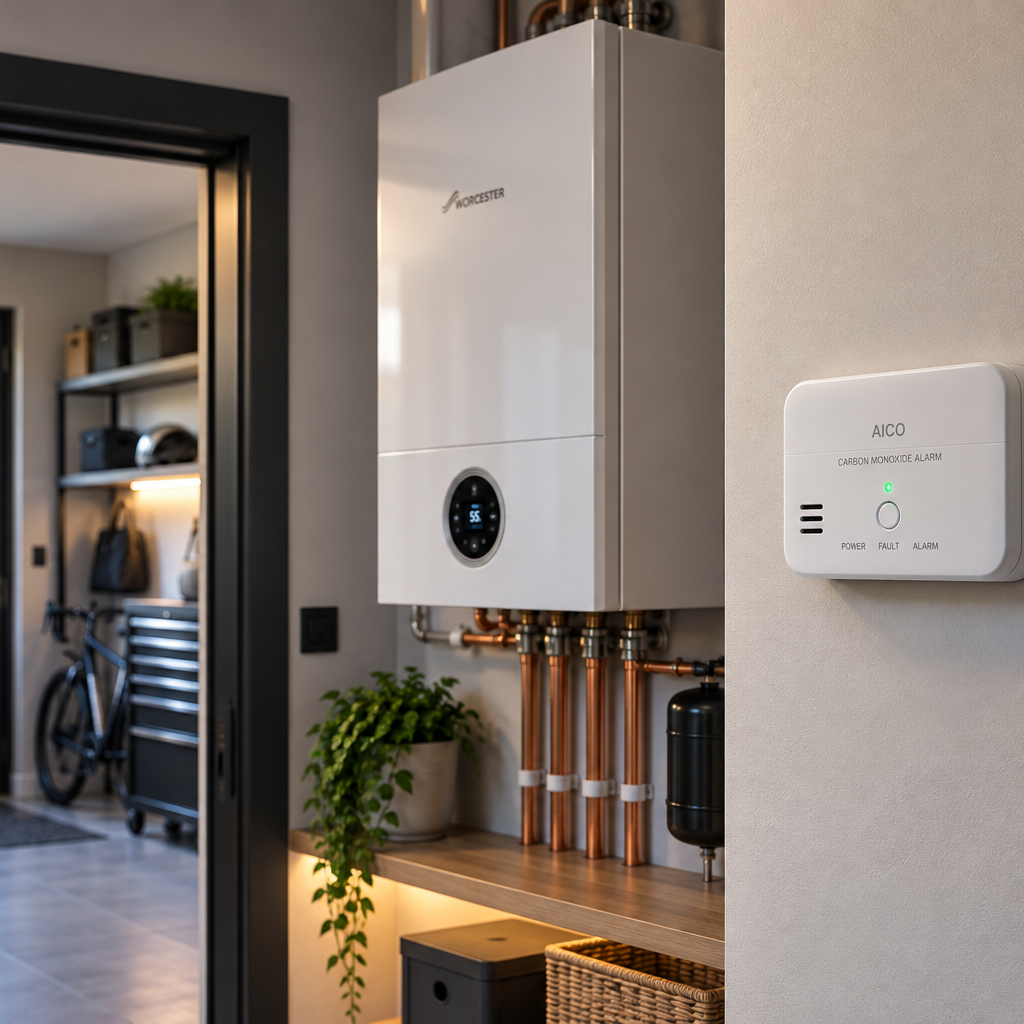
Carbon monoxide alarms for invisible dangers
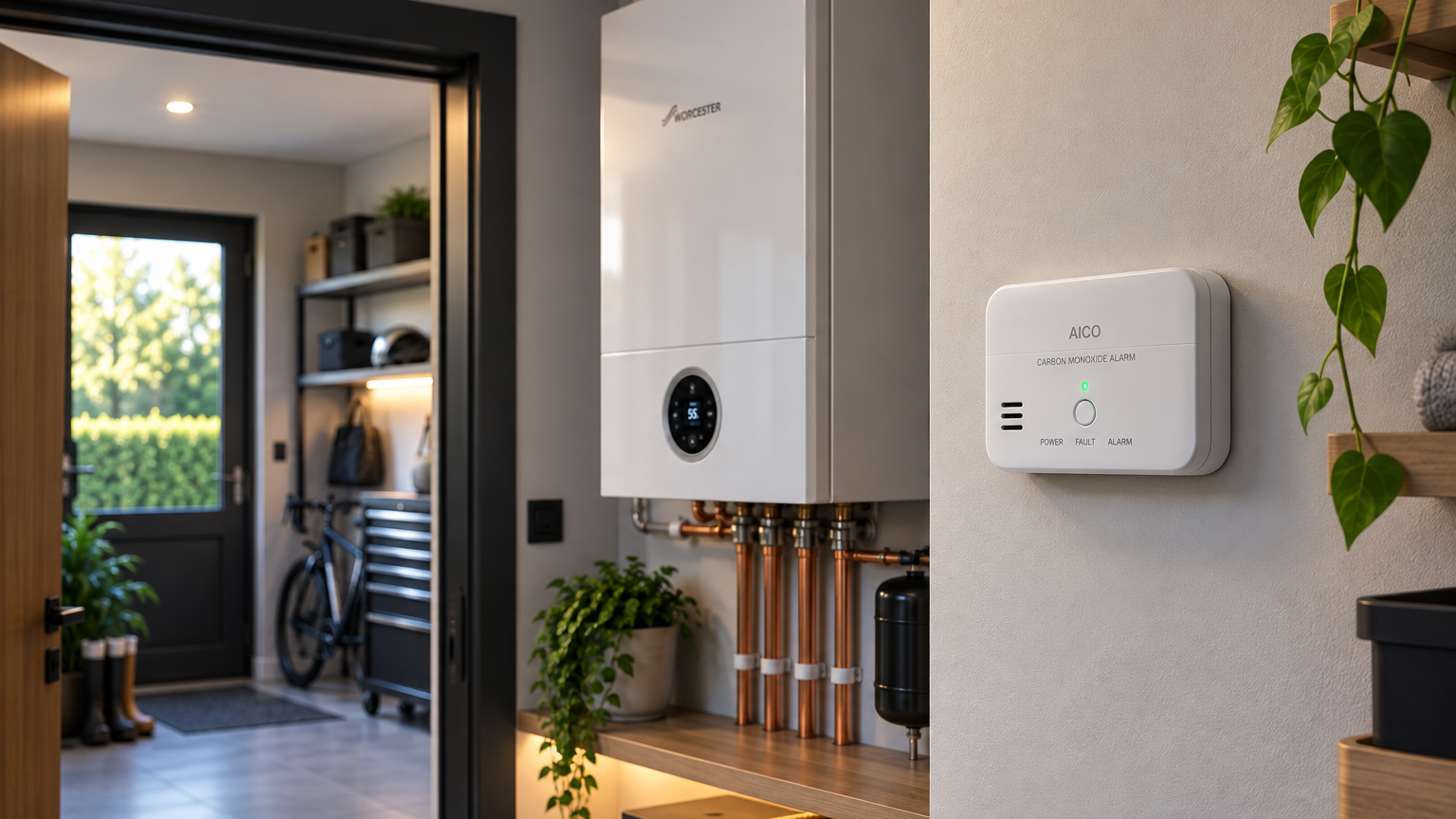
Carbon monoxide is a poisonous gas that cannot be seen, smelled or tasted. It can be produced when fuels such as gas, oil, wood or coal do not burn correctly, which is why suitable CO detection is important in homes with fuel-burning appliances.
We assess where carbon monoxide alarms are required and position them appropriately for the room, appliance and type of installation. Correct siting is important, and every alarm is installed in accordance with the relevant requirements and manufacturer’s instructions.
Where CO protection may be important
🔥 Protects around fuel-burning appliances
🏠 Suitable for relevant areas of your home
👃 Detects gas you cannot smell
👁️ Warns against an invisible household danger
📍 Correct positioning is particularly important
🔊 Provides an audible warning when activated
Heat alarms for reliable kitchen protection
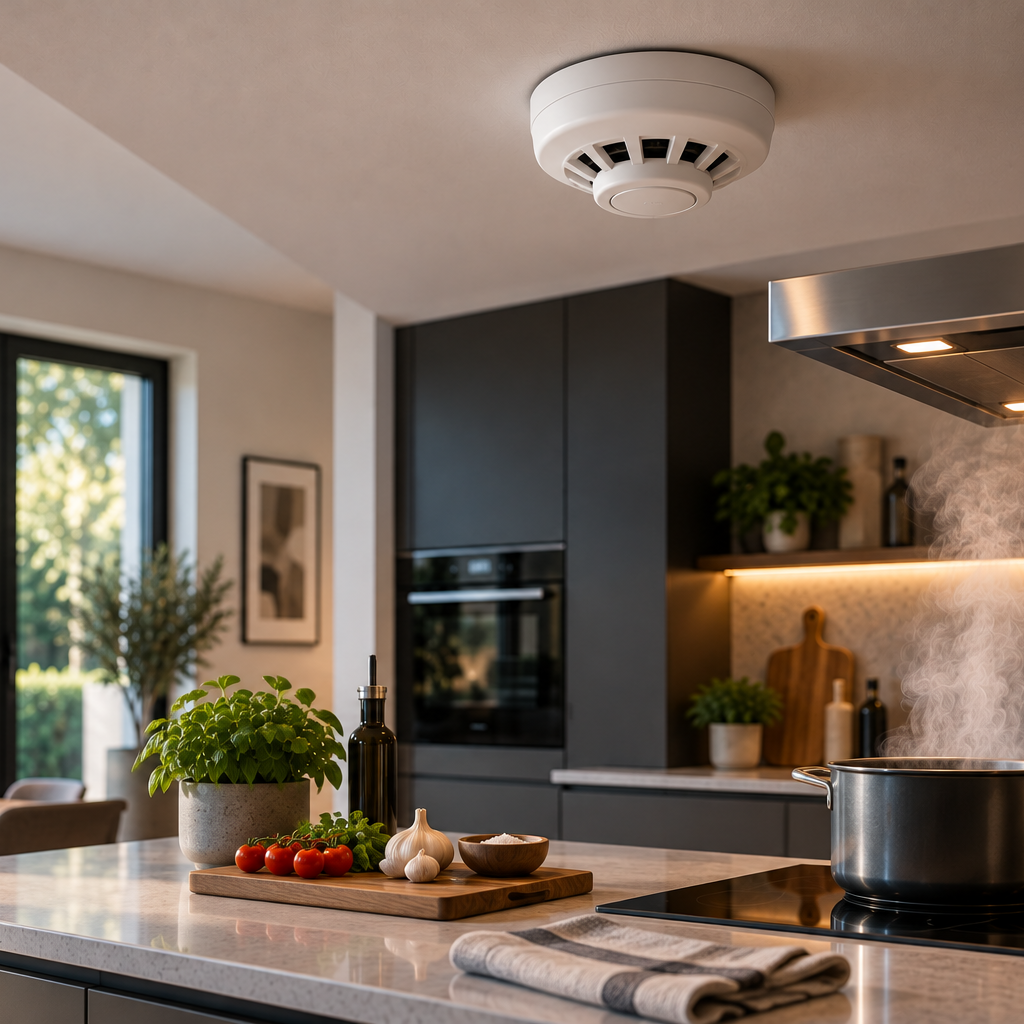
Kitchens present a different challenge because normal cooking can produce steam, fumes and airborne particles that may cause unwanted activations from an unsuitable smoke alarm. A heat alarm responds to temperature rather than smoke, making it better suited to the kitchen environment.
We position heat alarms carefully so they provide appropriate protection without interfering with normal use of the room. When connected to the rest of an interlinked alarm system, activation of the heat alarm can also sound compatible alarms elsewhere in the home.
Why heat alarms work well in kitchens
🍳 Designed specifically for kitchens
🌡️ Responds to heat rather than smoke
💨 Helps reduce unwanted cooking-related alarms
📍 Correct positioning improves detection
🔗 Links with compatible alarms
🧪 Fully tested as part of the system
Ask yourself…
Do you have smoke alarms on every level of your home?
Can you hear your alarms clearly from the bedrooms?
Are any of your alarms more than a few years old or of unknown age?
Do you currently rely on standalone, non-interlinked alarms?
Have you recently renovated, extended or changed the layout of your home?
Do you have a boiler, fire, stove or other fuel-burning appliance?
Does your kitchen have a smoke alarm that regularly activates while cooking?
Have any alarms been removed, painted over, damaged or disconnected?
Would you like a hard-wired interlinked system with battery backup?
We’ll assess the existing alarm provision, explain what is suitable for your property and recommend a practical system based on the layout and risks present.
CONTACT LAIRD ELECTRICAL
Get in touch to discuss your electrical requirements today.
What’s the difference between smoke, heat and CO alarms?
The comparison below explains what smoke, heat and carbon monoxide alarms detect and where each type is used.
Smoke Alarm
Fire warningHeat Alarm
Kitchen protectionCO Alarm
Carbon monoxide warningSmoke particles produced by a developing fire.
A significant rise in temperature or heat level.
Carbon monoxide produced by incomplete combustion.
Hallways, landings, living areas and suitable escape routes.
Kitchens where normal cooking fumes may trigger a smoke alarm.
Areas where fuel-burning appliances create a carbon monoxide risk.
Provides early warning when smoke from a fire is detected.
Provides fire warning while helping reduce cooking-related nuisance alarms.
Warns of a poisonous gas that cannot be seen, smelled or tasted.
Can link with compatible alarms throughout the property.
Can form part of the same interlinked fire alarm system.
Compatible CO alarms can be included where the system allows.
Our smoke, heat and CO alarm services
Every property is different, so we plan alarm coverage around your home, existing system and the risks present.
Whether you need a single replacement alarm or a complete interlinked system, we’ll install the right protection for your property and test everything before we leave.


Myth busting
There are plenty of misconceptions about smoke, heat and carbon monoxide alarms. Here are some of the most common myths we hear—and the facts behind them.
Myth
One smoke alarm is enough for the whole house.
Fact
Alarm coverage should be planned around the size and layout of the property. Suitable alarms may be needed on multiple floors and around important escape routes to provide effective warning throughout the home.
Myth
A smoke alarm is suitable for every room.
Fact
Different areas require different types of detection. A heat alarm is generally better suited to kitchens, where normal cooking fumes may cause unwanted activations from an unsuitable smoke alarm.
Myth
You can smell carbon monoxide if there is a problem.
Fact
Carbon monoxide cannot be seen, smelled or tasted. A suitable carbon monoxide alarm provides warning when the gas is detected, which is why correct CO protection is important around relevant fuel-burning appliances.
Myth
Standalone alarms provide the same protection as interlinked alarms.
Fact
A standalone alarm only sounds where it is installed. With a compatible interlinked system, one alarm detecting danger can cause the other linked alarms to sound too, helping warning reach more of the property.
Myth
If an alarm looks fine, it does not need replacing.
Fact
Alarms have a limited service life. An alarm can look perfectly normal while its sensor has reached the end of its intended lifespan, so the manufacturer's replacement information should always be checked.
Myth
If an alarm keeps sounding, the best solution is to remove it.
Fact
Never assume an alarm is false. Follow the appropriate emergency procedure first. Once danger has been ruled out, repeated unwanted alarms may indicate an unsuitable alarm type or position. Have the cause checked rather than removing or disabling the alarm.
Jargon buster: smoke, heat and CO alarms
No jargon. Just straightforward advice.
Alarm terminology can sometimes sound confusing, but it doesn’t have to be. Here are some of the common terms you may hear when discussing smoke, heat and carbon monoxide protection for your home.
Smoke alarm
An alarm designed to detect smoke from a developing fire and provide an audible warning, helping give people in the property more time to respond and leave safely.
Heat alarm
An alarm that responds to heat rather than smoke. Heat alarms are commonly used in kitchens where normal cooking fumes and steam could cause unwanted activations from a smoke alarm.
Carbon monoxide (CO)
A poisonous gas produced by incomplete combustion. Carbon monoxide cannot be seen, smelled or tasted, which is why suitable detection is so important.
CO alarm
A detector designed to monitor for carbon monoxide and sound a warning when the gas reaches specified levels.
Interlinked alarms
Compatible alarms connected so that when one alarm detects danger, the other linked alarms can sound too, helping warning reach more of the home.
Hard-wired alarm
An alarm connected to the property’s electrical supply rather than relying solely on a replaceable battery. Many hard-wired alarms also include backup power.
Battery backup
A secondary power source designed to help keep a hard-wired alarm operating if the mains electricity supply is interrupted.
Radio interlink
A wireless method that allows compatible alarms to communicate with each other without a physical interlink cable running between every device.
End-of-life warning
A signal given by some alarms when the unit has reached the end of its intended service life and should be replaced.
Test button
The control used to carry out a routine functional test of the alarm. Testing should be carried out in line with the manufacturer’s instructions.