


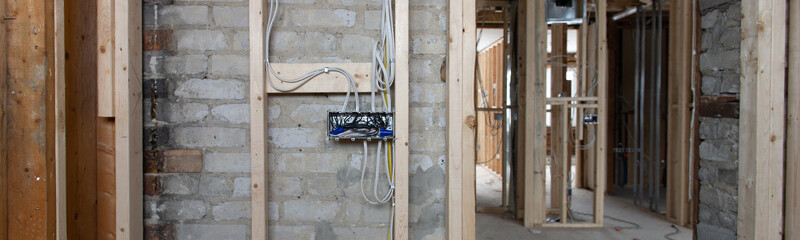
Why do homeowners choose to rewire?
Every property is different, and so are the reasons for rewiring. Whether you’re dealing with ageing electrics, planning a renovation or preparing your home for the future, a professionally designed electrical installation can improve safety, functionality and long-term durability.
It’s also about protecting your investment and probably your biggest financial asset. A professionally rewired property can safeguard your home and increase buyer confidence if you choose to sell it.


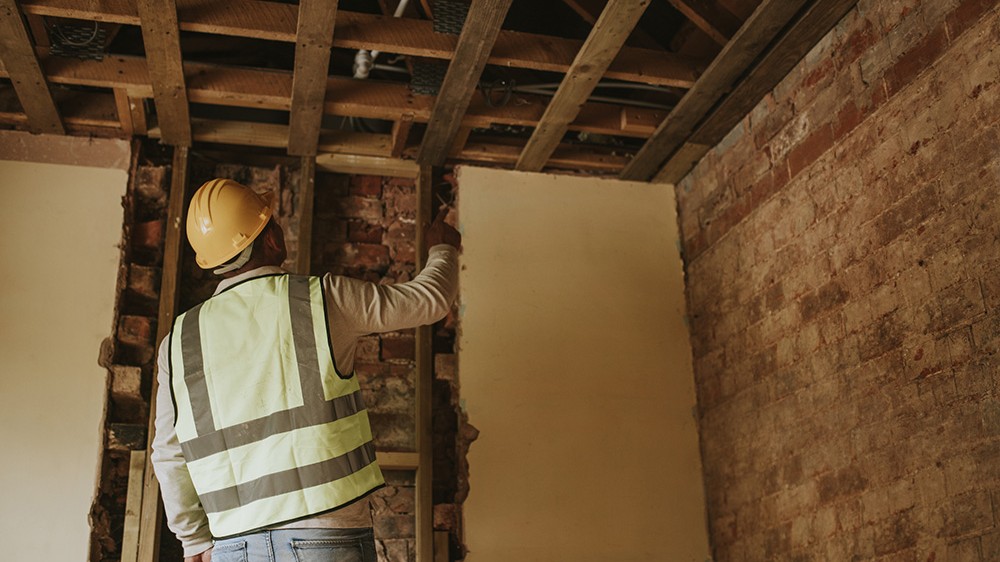


Improve electrical safety and peace of mind
Older wiring deteriorates over time and could become a household risk. Rewiring helps to ensure your electrical installation continues to operate reliably for years to come and conforms to modern safety standards.
Frequent tripping, flickering lights or limited socket provision, for example, could indicate that parts of your electrical installation need upgrading.
Properties with ageing wiring or outdated electrical installations may benefit from a professional assessment to determine whether a full or partial rewire is required.
⚠️ Signs something may be wrong
🔦 Lights dim when other appliances are used
🔌 Extension leads in every room
📺 Electrics struggling with modern appliances
🏠 Major renovation or extension planned
🚗 Preparing for an EV charger or future tech
⚡ Electrics not inspected for years
⚠️ Buzzing sockets or switches
💡 Flickering or dimming lights
⚡ Circuits that frequently trip
🔥 Warm sockets or switches
🚫 Damaged or cracked sockets
🧯 An older fuse board or consumer unit
💥 Blown fuses or breakers that constantly trip
🏚️ Property over 30 years old with original wiring
Get electrics suitable for modern and demanding lifestyles
The way we use electricity has changed dramatically over the years, but many homes are still relying on electrical installations that were designed long before today’s technology became part of everyday life.
Home offices, kitchen appliances, entertainment systems, USB charging and smart home devices all place greater demands on your electrics. A full or partial rewire allows your electrical installation to be redesigned around the way you live today, with additional sockets, improved lighting, dedicated circuits and the flexibility to support future technologies.
⚡ Designed for today's lifestyle – how can you benefit?
⚡ More sockets where you need them
💡 Better lighting layouts
📱 USB charging points
🏡 Home office ready
🌿 Outdoor power and lighting
🍳 Dedicated kitchen appliance circuits
🚿 Reliable power for modern bathrooms
🎮 Entertainment and media ready
🏠 Smart home ready
🧺 Dedicated circuits for utility appliances
🔒 Power for CCTV, alarms and smart doorbells
🔋 Future technology ready

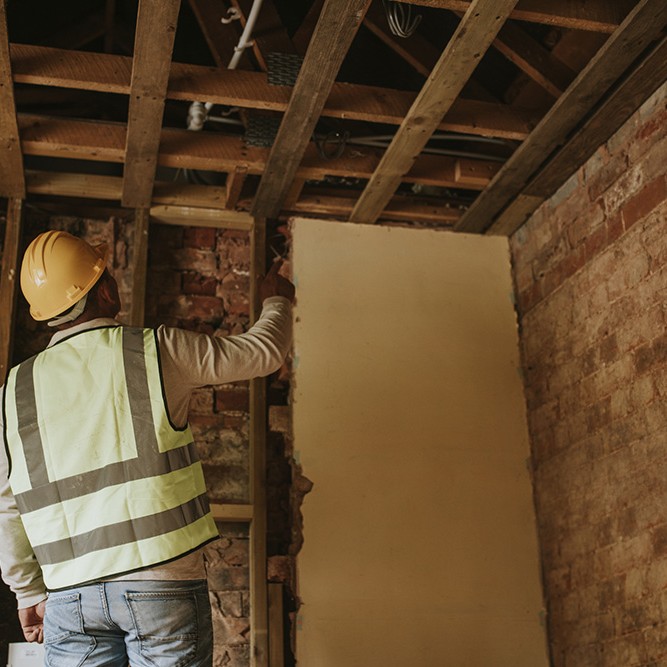
Undergoing refurbs, renovations or extensions
Planning an extension, loft conversion or major refurbishment? Rewiring before plastering and decorating can save time, money and disruption.
If you’re extending, remodelling or refurbishing your property, rewiring at the same time is often the most practical and cost-effective solution. With walls and ceilings already being opened up, it’s the ideal opportunity to plan new sockets, lighting and circuits around your finished space while also preparing for future electrical needs.
🛠️ Make the most of your renovation
🏡 Extensions and new living spaces
🍳 Kitchen and utility room upgrades
💡 New lighting layouts
⚡ Additional sockets where you need them
🔌 Extra power for new living spaces
🔌 Dedicated circuits for modern appliances
🛠️ Avoid opening walls twice
🌿 Outdoor power and garden lighting
🏠 Smart home ready
🚗 Future-ready for EV charging
Create a green, energy-efficient home for the future
Whether you’re adding smart technology, improving lighting or preparing for an EV charger, rewiring can help ensure your electrical system is ready for the future.
A modern electrical installation supports today’s technology while giving you the flexibility for future improvements such as solar panels, battery storage and other energy-saving upgrades as your needs change.
🚀 Future ready living
🚗 Charge your electric vehicle at home
💡 Reduce energy consumption with LED lighting
🏠 Control lighting & appliances from your phone
🔋 Prepare for solar panels and battery storage
🌿 Enjoy a fully powered garden & outdoor space
🌡️ Support future heating technologies
📈 Add long-term value to your property
⚡ Avoid costly electrical alterations in the future
🔋 Battery storage ready
☀️ Future solar installation ready

Ask yourself…
Do you regularly rely on extension leads because there aren't enough sockets?
Do your lights flicker or dim when using certain appliances?
Do your circuits trip more often than they used to?
Are you planning an extension, loft conversion or major renovation?
Is your property more than 30 years old with little or no electrical upgrading?
Are you considering an EV charger, solar panels or battery storage in the future?
Have you recently moved into an older property and don't know the condition of the electrics?
Would your home benefit from improved lighting, additional sockets or a better electrical layout?
Is your current consumer unit (fuse box) older or lacking modern safety features?
We'll assess your existing electrical installation, explain our findings in plain English and recommend the solution that's right for your home—whether that's a repair, a targeted upgrade or a complete rewire.
CONTACT LAIRD ELECTRICAL
Get in touch to discuss your electrical requirements today.
Do you need a full or partial rewire?
You don't necessarily need to know whether you need a full rewire or partial rewire but understanding the points below could help you to determine what type of rewire is the right solution for your home.
Full Rewire
Complete overhaulPartial Rewire
Targeted upgradeOlder properties, major renovations or electrical installations that have reached the end of their serviceable life.
Extensions, kitchens, loft conversions or upgrading specific rooms and circuits.
Replacing the electrical wiring throughout the property and upgrading the installation to current standards.
Replacing or upgrading wiring only in the areas that require improvement.
Creates a consistent, future-ready electrical installation designed for modern living.
Improves the areas that need attention without replacing parts of the installation that remain suitable.
You're carrying out a full renovation, buying an older property or want long-term peace of mind.
You're extending, remodelling or improving part of your home and want the electrical installation to support those changes.
Our rewiring services
Every property is different, which is why we tailor our rewiring services to suit your individual requirements.
Whether you're modernising a single room or refurbishing an entire property, we'll provide a solution that fits your project and budget.


Myth busting
There are plenty of misconceptions about house rewiring, from when it becomes necessary to how much work is involved. Here are six common myths about full and partial rewires and the facts behind them.
Myth
Every house over 30 years old needs a complete rewire.
Fact
The age of a property alone doesn't determine whether rewiring is necessary. The condition of the wiring, previous alterations, electrical protection and inspection findings all matter. Some older installations remain serviceable, while others may require partial or complete replacement.
Myth
If my lights and sockets work, the wiring must be safe.
Fact
Electrical circuits can continue operating despite damaged insulation, unsuitable connections or other defects. Everyday operation doesn't confirm that the wiring is in good condition. Inspection and testing can identify problems that aren't visible during normal use.
Myth
A partial rewire is always cheaper and better than a full rewire.
Fact
A partial rewire can be suitable when only certain circuits need replacing. However, if much of the installation is deteriorated or unsuitable, repeated partial work may be less practical than a coordinated full rewire. The right approach depends on the installation.
Myth
Rewiring only involves replacing the cables inside the walls.
Fact
Rewiring may also involve new circuits, sockets, switches, lighting connections and changes to electrical distribution. The extent of the work depends on the property's requirements. Inspection, testing and appropriate certification are also part of completing the electrical work.
Myth
You have to move out of your home whenever rewiring takes place.
Fact
Not always. Some partial rewires can be completed while the property remains occupied. A full rewire can be more disruptive because access, dust and temporary power interruptions may affect several rooms. Whether you can remain at home depends on the work involved and the arrangements agreed.
Myth
A new consumer unit means the house doesn't need rewiring.
Fact
A consumer unit upgrade doesn't automatically replace or improve the condition of existing cables. The wiring still needs to be suitable for continued use. If inspection or testing identifies significant deterioration or defects, rewiring or other remedial work may still be needed.
Jargon buster: house rewiring
No jargon. Just straightforward advice.
House rewiring involves several electrical terms that may be unfamiliar. Here are ten useful explanations to help you understand the work involved in a full or partial rewire.
Full rewire
The replacement of the electrical wiring and associated circuits throughout a property. A full rewire may also involve replacing sockets, switches, lighting connections and other electrical accessories, depending on the scope of the installation.
Partial rewire
Replacing or altering the wiring in selected areas or circuits rather than throughout the entire property. Partial rewiring may be appropriate when existing wiring elsewhere remains suitable for continued use.
First fix electrics
The initial stage of electrical installation work, when cables, back boxes and other concealed components are installed before plastering and final finishes are completed. This stage establishes the routes and positions for electrical circuits and accessories.
Second fix electrics
The stage when sockets, switches, light fittings and other electrical accessories are connected and fitted following the first fix. The completed installation must then undergo appropriate inspection and testing before being put into service.
Electrical circuit
A connected arrangement of electrical conductors and equipment supplying electricity to particular parts of a property. Lighting, socket outlets, cookers and other equipment may be supplied by separate circuits.
Cable chasing
Creating channels in walls to accommodate electrical cables or suitable containment. Chasing may be necessary during rewiring where cables need to be concealed. The extent of making good and replastering should be agreed before work begins.
Consumer unit
Often called a fuse box or fuse board, the consumer unit distributes electricity to the property's circuits and contains protective devices. Its suitability should be assessed when planning rewiring work, although replacement isn't automatically necessary in every partial rewire.
Earthing and bonding
Earthing and protective bonding form part of an electrical installation's safety measures. They help reduce the risk of electric shock by providing appropriate fault protection and limiting dangerous voltage differences where required.
Electrical Installation Condition Report (EICR)
A report assessing the condition of an existing fixed electrical installation. An EICR can identify deterioration, defects and potential safety issues, helping inform decisions about repairs or rewiring. It does not automatically mean a property requires a complete rewire.
Electrical Installation Certificate (EIC)
A certificate used for qualifying new electrical installation work, including full rewires and new circuits. It records the installation details, inspection results and electrical test findings, providing documentation for the completed work.