


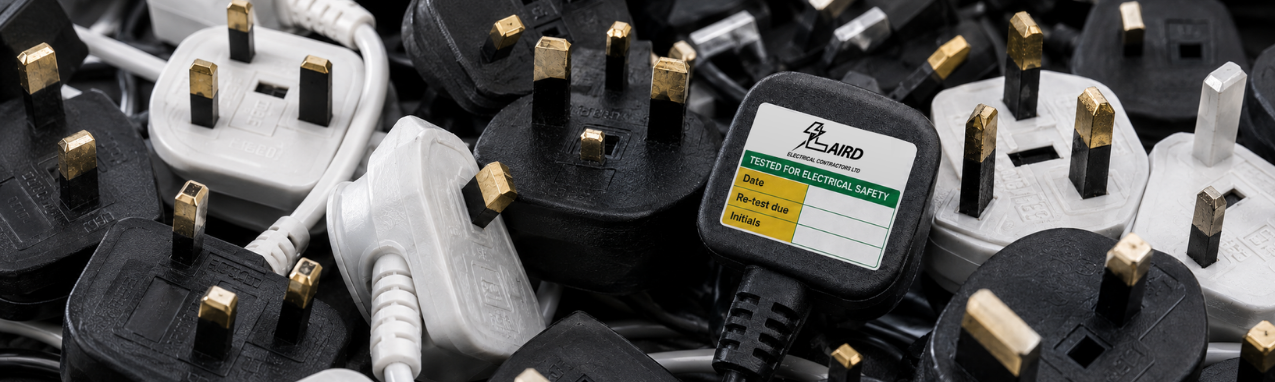
Why professional fault finding matters
Electrical faults are not always visible, and the symptom you notice may not be where the underlying problem is located. A circuit may trip because of a damaged cable, faulty appliance, moisture, loose connection or deterioration elsewhere on the circuit.
We follow a logical testing process to identify the cause, explain the available repair and confirm the relevant work is operating correctly afterwards.


Diagnose tripping circuits and power loss
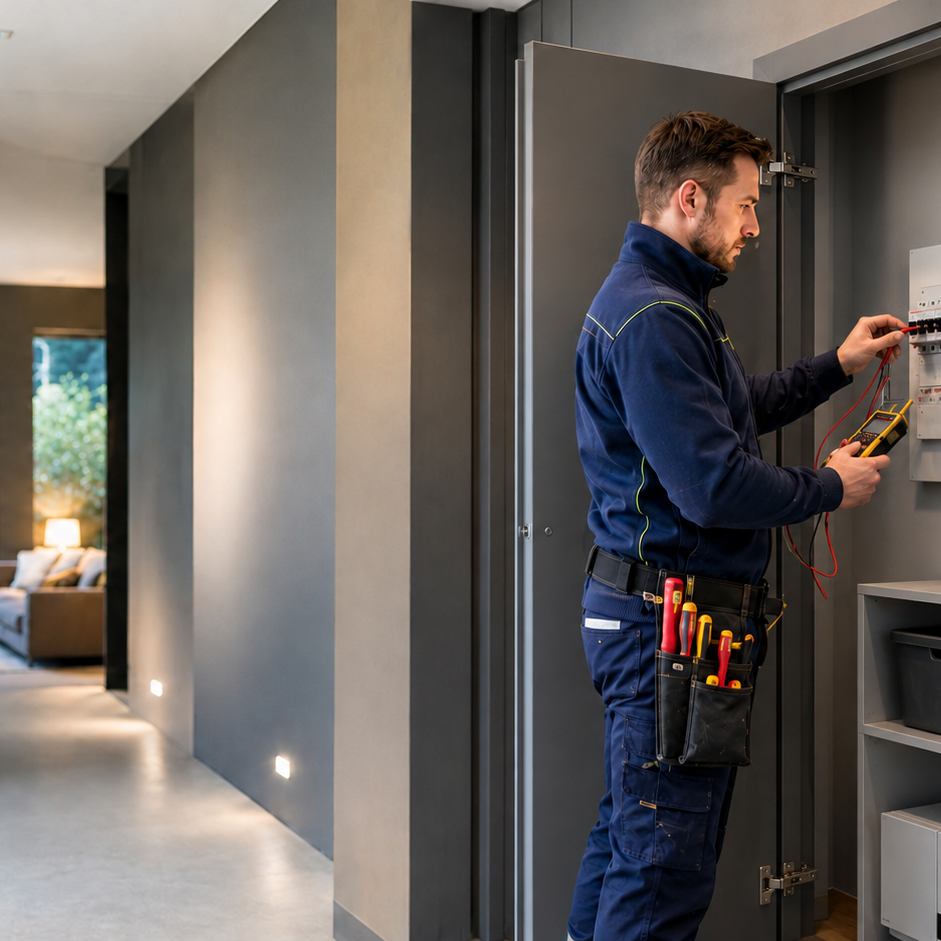
A breaker or RCD that keeps tripping is responding to a problem. We use appropriate testing to narrow down the affected circuit and identify whether the cause is an appliance, accessory, damaged cable, moisture or another issue.
Where safe and practical, we restore power and carry out the necessary repair. If further work or a replacement part is required, we’ll explain what we’ve found and agree the next step with you.
⚠️ Signs something may be wrong
🔦 Lights dim when other appliances are used
🔌 Extension leads in every room
📺 Electrics struggling with modern appliances
⚡ Electrics not inspected recently
🔦 Flickering or dimming lights
🏚️ Property over 30 years old with original wiring
⚡ Circuits that frequently trip
🔥 Warm sockets or switches
🚨 An older fuse board or consumer unit
⚠️ Buzzing sockets or switches
🚫 Damaged or cracked sockets
💥 Blown fuses or breakers that repeatedly trip
Investigate flickering or unreliable lighting
Flickering may be caused by a failing lamp, a loose connection, a faulty fitting, an incompatible dimmer or a problem elsewhere on the lighting circuit. We establish whether the issue affects one light, several fittings or a wider part of the installation.
Once the cause has been identified, we’ll explain whether the lamp, fitting, switch, dimmer or wiring needs attention and carry out the agreed repair safely and neatly.
💡 Signs your lighting needs attention
✨ One light flickers while others remain steady
🌗 Lights dim or pulse unexpectedly
⏱️ A fitting takes time to switch on
🔁 Lamps fail much sooner than expected
🎚️ A dimmer buzzes or works inconsistently
⚡ The lighting circuit trips when a switch is used
🔘 A switch feels loose or operates intermittently
👂 Crackling or buzzing comes from a fitting
🔥 A switch or fitting becomes unusually warm
🟤 Discolouration around a fitting or switch
💧 Flickering begins after a leak or damp weather
🏠 Several rooms experience lighting problems

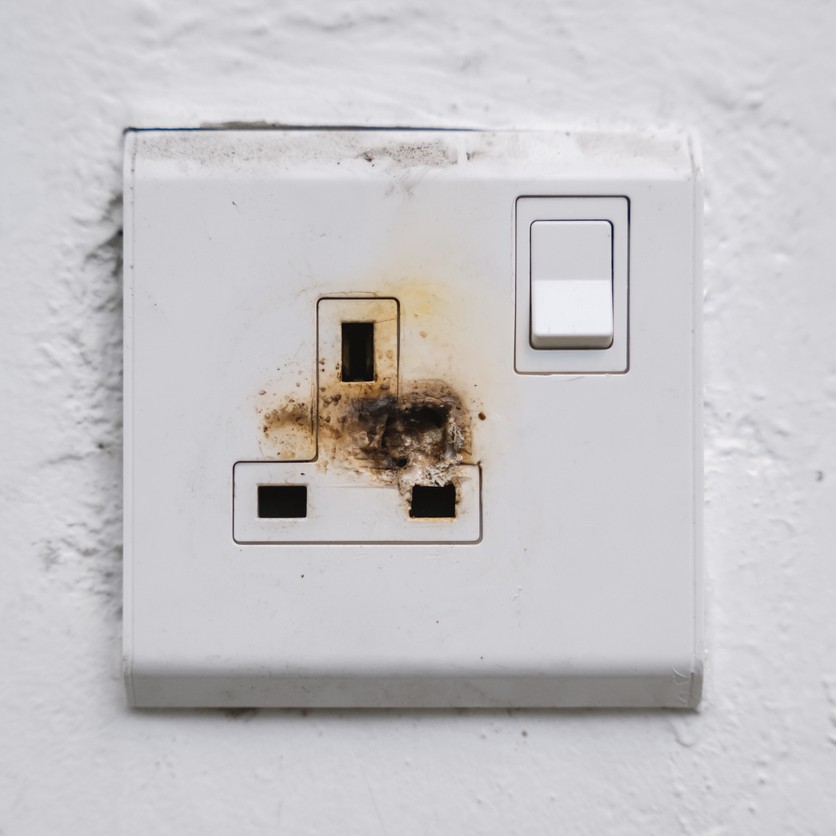
Check overheating, burning smells and damaged fittings
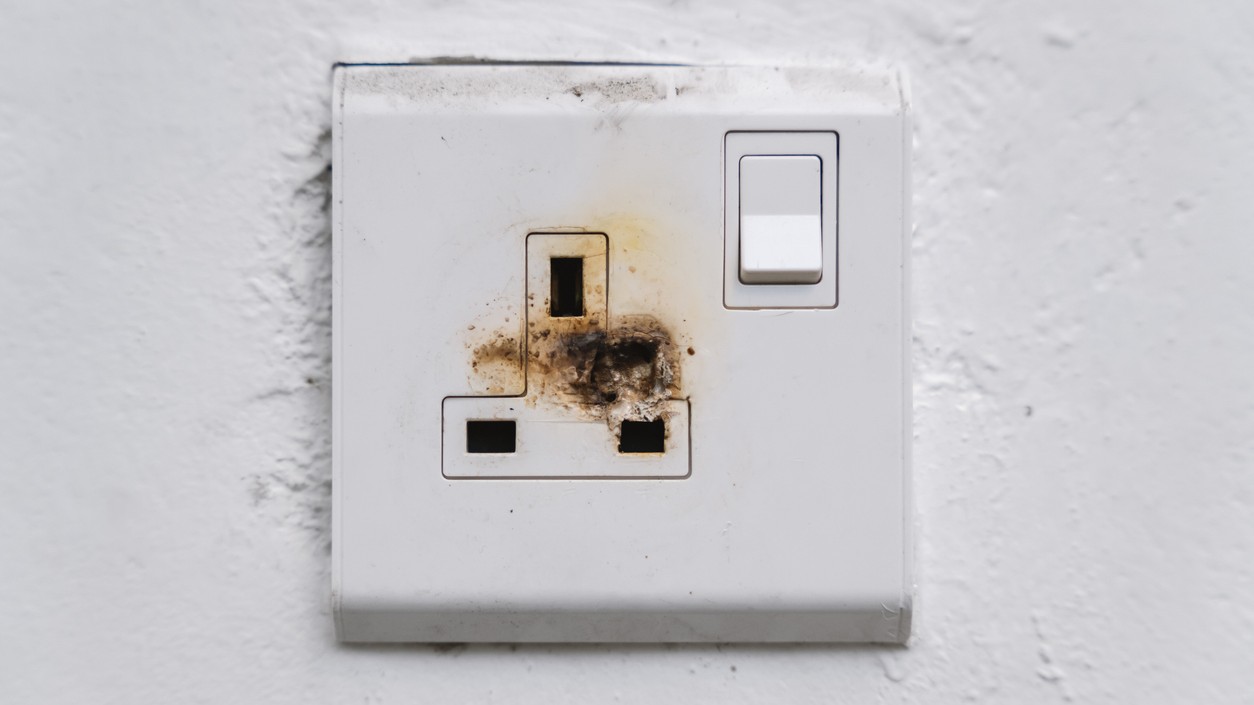
Heat, scorching, crackling and burning smells are warning signs that should never be ignored. They may indicate a loose connection, excessive load, damaged component or deterioration within the wiring.
We inspect the affected fitting, test the associated circuit and identify the cause before recommending a safe repair or replacement. If there is smoke, active sparking or significant heat, stop using the equipment and isolate the supply only if it is safe to do so.
⚠️ Warning signs that need prompt attention
🔥 A socket, switch or plug feels unusually warm
🟤 Scorching, melting or brown discolouration
👃 A burning, hot-plastic or fishy smell
⚡ Buzzing, crackling or intermittent sparking
🔌 A plug feels loose when inserted into a socket
🛠️ A socket or switch moves when used
💥 Cracked, broken or damaged faceplates
🚫 Power cuts out when a particular point is used
💧 Moisture is visible near an electrical fitting
🧱 Damage has occurred during building work
💡 Lights or appliances behave unpredictably
🚨 A breaker trips when a fitting is used
Repair wiring, switches, sockets and accessories
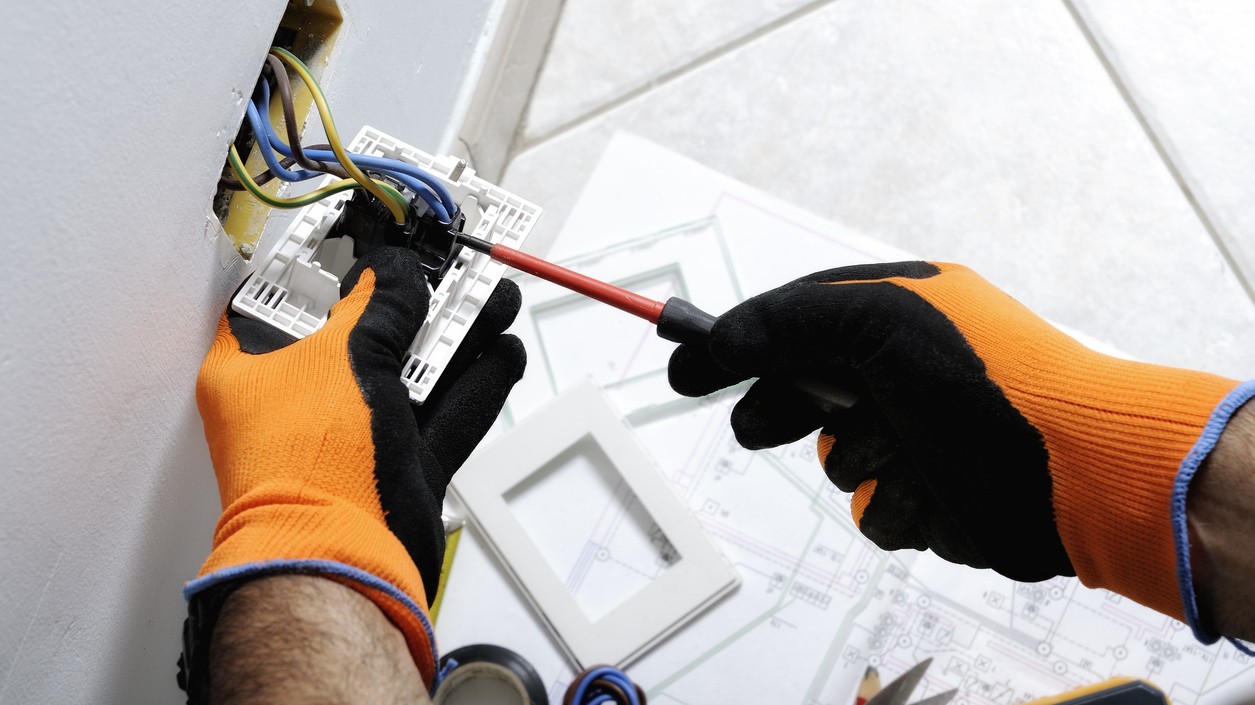
Once the fault has been identified, we address the cause rather than only the visible symptom. Depending on the diagnosis, this may involve securing a loose connection, repairing a cable, replacing a damaged accessory or renewing a faulty fitting or control.
We work carefully, keep disruption to a practical minimum and inspect and test the relevant work when complete. If a larger repair is needed, we’ll make the situation safe where possible and clearly explain the next steps.
🛠️ Repairs we can carry out
🔌 Replace damaged or faulty sockets
🔘 Replace switches that are loose or unreliable
💡 Repair or replace faulty light fittings
🧵 Repair damaged sections of cable
🔧 Secure loose electrical connections
🎚️ Replace incompatible or defective dimmers
⚡ Replace faulty protective devices
🚨 Make exposed or unsafe electrical points safe
🧱 Repair wiring damaged by renovation work
💧 Complete remedial work after water ingress
🏠 Restore power to affected rooms or circuits
🧪 Inspect and test completed electrical repairs
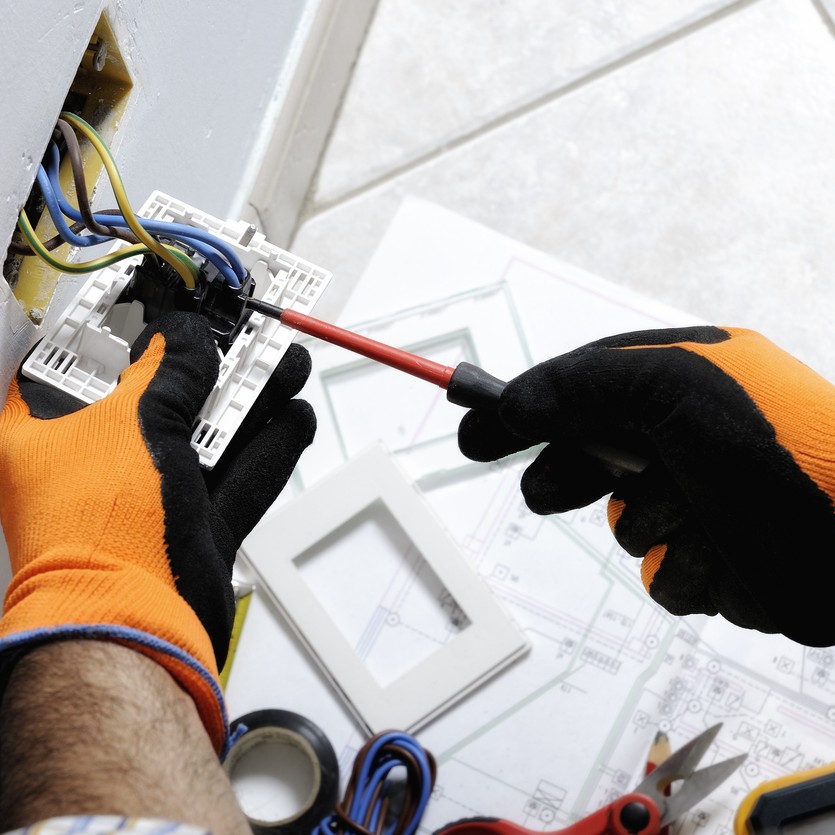
Ask yourself…
If you answer yes to one or more of these questions, it may be time to arrange professional electrical fault finding.
Does your RCD or circuit breaker keep tripping?
Have you lost power to one room or part of the property?
Do your lights flicker, dim or work intermittently?
Is a socket, switch or fitting unusually warm?
Have you noticed scorching, melting or discolouration?
Can you hear buzzing, crackling or unexplained sparking?
Is there an unexplained burning or fishy smell?
Has wiring been damaged during drilling, decorating or building work?
Has water reached an electrical fitting or circuit?
We’ll listen to what you’ve noticed, test the installation methodically and explain what we find in straightforward terms.
CONTACT LAIRD ELECTRICAL
Get in touch to discuss your electrical requirements today.
What's the difference between fault finding and an electrical repair?
Fault finding identifies why an electrical problem is occurring. Once the cause is confirmed, the appropriate repair can be completed safely and effectively.
Fault finding
Identify the causeElectrical repair
Resolve the problemLocates the affected circuit, fitting, appliance, connection or cable and determines why the fault is occurring.
Corrects the diagnosed problem and restores the affected electrical system wherever possible.
Tripping circuits, intermittent power, flickering lights, unexplained power loss, unusual noises or problems without an obvious cause.
Damaged wiring, loose connections, overheating accessories and faulty sockets, switches, fittings or protective devices.
Reviewing the symptoms, visually inspecting accessible equipment and carrying out a structured sequence of electrical tests.
Repairing wiring or connections, replacing defective components and completing any necessary remedial work.
A clear diagnosis, explanation of the cause and recommendation for the appropriate repair.
A safe, effective repair followed by relevant inspection and testing to confirm correct operation.
Our fault finding and repair services
From a single faulty switch to an intermittent problem affecting several circuits, we tailor the investigation to the symptoms and your electrical installation.
Not sure what is causing the problem? Tell us what happens, when it started and whether anything changed beforehand. We’ll test methodically, explain the diagnosis clearly and recommend the right repair.


Myth busting
Electrical faults are not always as straightforward as they appear. Here are some common misconceptions about electrical problems and the facts behind them.
Myth
If a circuit trips, I can keep resetting it until it stays on.
Fact
Breakers and RCDs trip to protect you and your electrical installation. If a circuit repeatedly trips, there may be a faulty appliance, damaged cable, moisture problem or another fault that needs professional investigation.
Myth
Flickering lights always mean the bulb needs replacing.
Fact
A loose or unsuitable bulb can cause flickering, but the problem may also come from a faulty switch, loose connection, damaged fitting or an issue elsewhere in the circuit. Persistent or widespread flickering should be checked.
Myth
It is normal for sockets and switches to feel warm.
Fact
Noticeable heat, discolouration, buzzing or a burning smell can indicate overloading, a loose connection or damaged components. Stop using the affected accessory and arrange an electrical inspection.
Myth
Replacing a faulty socket or switch will always solve the problem.
Fact
The visible accessory may only be where the problem appears. The underlying cause could be damaged wiring, a loose connection or another fault elsewhere on the circuit. Proper testing identifies the cause before repairs are made.
Myth
If a burning smell disappears, the problem has resolved itself.
Fact
A burning smell may stop when an affected circuit or appliance is no longer under load, but the damage can remain. Burning smells, scorch marks and melted fittings should always be treated as urgent warning signs.
Myth
Finding an electrical fault means opening every wall and ceiling.
Fact
Professional testing equipment allows an electrician to narrow down the affected circuit and locate many faults with minimal disruption. If access is required, we will explain where and why before carrying out the repair.
Jargon buster: fault finding and repairs
No jargon. Just straightforward advice.
Electrical fault finding can involve unfamiliar terminology, but it doesn’t have to be confusing. Here are some common terms you may hear while we identify and repair an electrical problem.
Consumer unit
Often called a fuse box, the consumer unit distributes electricity around your property and contains the protective devices for its electrical circuits.
Circuit
A circuit is a route through which electricity travels to supply a particular part of your property, such as its lights, sockets or fixed appliances.
Circuit breaker
A safety device inside the consumer unit that automatically switches off a circuit if it detects an overload or fault. It may also be referred to as an MCB.
RCD
A Residual Current Device quickly disconnects the electricity supply if it detects current flowing along an unintended path, helping to reduce the risk of electric shock.
Short circuit
A fault where electricity follows an unintended path, creating a sudden rise in current. This will usually cause the circuit’s protective device to trip.
Earth fault
A fault where electrical current flows to earth along an unintended path. Possible causes include damaged wiring, moisture, deteriorated insulation or a faulty appliance.
Overload
An overload occurs when a circuit is asked to carry more electrical current than it was designed for. The circuit breaker should disconnect the supply to prevent overheating.
Insulation resistance test
A test used to assess the condition of the insulation around electrical wiring. It can help identify damaged, deteriorated or moisture-affected cables.
Safe isolation
The procedure used to disconnect an electrical circuit safely and confirm that it is no longer live before inspection or repair work begins.